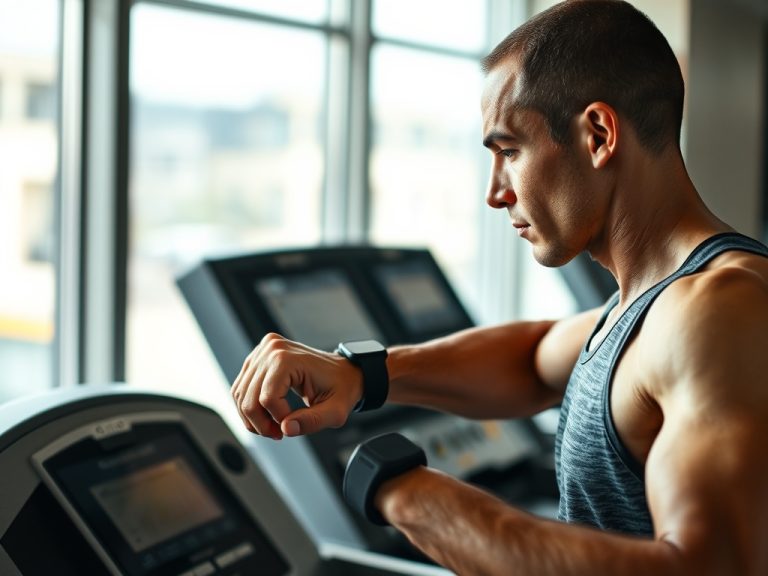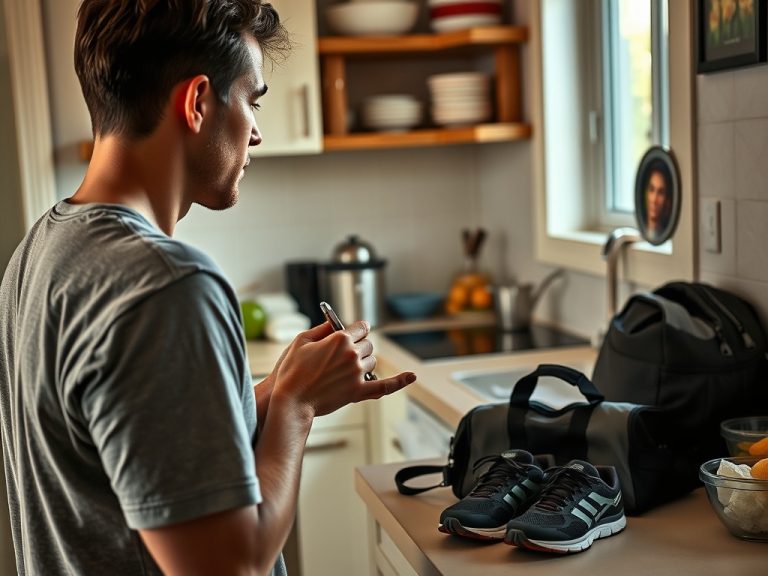
Massage guns may temporarily change how a muscle feels and can increase range of motion in some settings, but evidence that they meaningfully accelerate recovery is mixed. They are best treated as an optional comfort or warm-up tool, not as a substitute for sleep, nutrition, sensible training load, rehabilitation, or medical care.
TL;DR: A massage gun may help some people feel looser, and short studies have reported improved range of motion. Other studies have found little effect on soreness, strength, or recovery. Use low to moderate intensity on large muscle tissue, avoid painful or vulnerable areas, and stop if symptoms worsen.
What the Research Actually Suggests
One small controlled study found that a five-minute percussive treatment to the calf increased ankle dorsiflexion range of motion without reducing maximal voluntary contraction. That acute range-of-motion study supports a possible short-term mobility effect, but it does not prove faster tissue healing or better long-term training adaptation.
Other research is less encouraging for recovery. A controlled study in active adults found little effect from a five-minute massage-gun application on physical and perceptual recovery after strenuous lower-body exercise. A 2025 study also reported no acceleration of several markers after eccentric muscle damage. Taken together, the evidence is not strong enough to promise that a massage gun will erase delayed-onset soreness or restore performance faster.
Recovery Checklist: What to Prioritize First
1. Sleep: make sure you are not using a device to compensate for chronically short or poor-quality sleep.
2. Nutrition: eat enough overall and include appropriate protein, carbohydrate, fluids, and micronutrient-rich foods for your activity.
3. Training load: check whether soreness is coming from a sudden jump in volume, intensity, unfamiliar movements, or too little recovery time.
4. Active recovery: easy movement may feel better than complete inactivity for some people, provided it does not aggravate pain.
5. Percussive massage: use it only after the fundamentals are in place and only if it feels helpful.
If your soreness pattern keeps repeating, the more useful question may be why training is producing more stress than you can recover from. The guide to strength training during fat loss shows how reducing redundant volume can be more productive than adding another recovery gadget.
How to Use a Massage Gun Conservatively
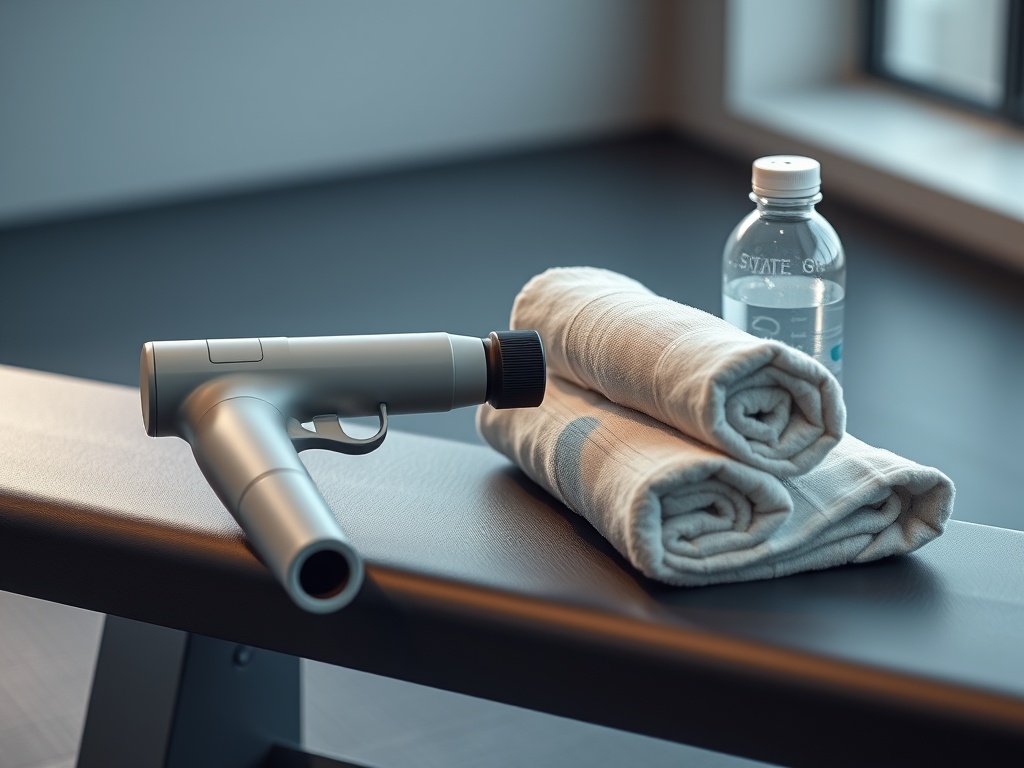
Follow the manufacturer’s safety instructions for the specific device. In general, start with a lower setting and brief exposure on large muscle areas rather than pressing aggressively into one spot. More pressure is not automatically more effective. The sensation should not be sharp, electric, numb, or increasingly painful.
Avoid using the device directly over bones, the front or side of the neck, joints, open wounds, obvious swelling, acute injuries, or areas with altered sensation. If you have a bleeding disorder, take anticoagulant medication, have a vascular condition, are recovering from surgery, or have another medical issue that could change what is safe, ask a qualified clinician before using percussive therapy.
When It May Be Useful Before Training
Some people like a short massage-gun application during a warm-up because the local vibration and pressure can change how the area feels and may improve range of motion temporarily. If that helps you move comfortably without making the muscle feel fatigued, it can be a reasonable optional step before dynamic movement and exercise-specific warm-up sets.
Do not use the device to force a painful range of motion. If a joint or muscle repeatedly needs aggressive treatment just to tolerate the workout, the exercise selection, technique, load, or underlying issue deserves attention.
When It May Be Useful After Training
After training, a massage gun may feel relaxing, but the subjective feeling of recovery is not the same as proven restoration of strength or tissue healing. The 2025 percussion-massage study in eccentric muscle damage found no group advantage for several recovery markers, illustrating why recovery claims should remain cautious.
If you enjoy the sensation, use it as a brief comfort tool while still prioritizing the basics. If it makes soreness worse, increases bruising, causes numbness, or creates lingering pain, stop using it.
Buying Checklist Before You Spend More
- Can the device run at a low setting that feels comfortable rather than harsh?
- Is the handle easy to control without straining your wrist?
- Are the attachments simple enough that you understand their intended use?
- Does the manufacturer provide clear safety guidance and contraindications?
- Is the noise level acceptable in the setting where you will actually use it?
- Would you still buy it knowing that recovery benefits are uncertain and that it may function mainly as a comfort tool?
A device can be well built and still not be necessary. If you are considering a massage gun mainly because soreness makes regular activity difficult, your broader routine may need adjustment. Staying active without traditional exercise can help you lower friction by choosing more tolerable forms of movement rather than repeatedly recovering from workouts you dislike.
Common Massage-Gun Mistakes
The most common mistake is treating discomfort as proof that the device is “breaking up” tissue. A massage gun delivers repeated mechanical percussion; it does not need to be painful to have an effect on sensation or movement. Pressing harder can increase tenderness and bruising without providing evidence of better recovery.
Another mistake is using the tool over an undiagnosed injury because the area feels tight. Swelling, sharp pain, loss of strength, instability, numbness, or pain that changes how you walk or move should not be masked with more percussion. The underlying problem may require rest, load modification, or professional assessment.
A third mistake is spending long periods on the same small area. Device instructions differ, so follow the manufacturer’s limits. More treatment time is not automatically better, and studies use specific protocols that cannot be generalized to unlimited self-treatment.
What a Good Result Looks Like
A realistic positive result is modest: the muscle may feel less stiff, a movement may feel smoother, or a warm-up may feel easier. If you can move comfortably and then train normally, the tool may have value for you. If there is no noticeable benefit after several careful uses, there is little reason to force it into your routine simply because it is marketed as a recovery essential.
A Realistic Place for Percussive Therapy
Massage guns are not useless, but they are easy to oversell. The strongest practical case is short-term comfort and possibly temporary mobility changes for some users. The evidence for faster recovery is inconsistent, and the device cannot diagnose or treat an injury by itself.
If you already own one, try a short, low-intensity application and evaluate how you feel and move afterward. If you are buying one, decide whether temporary comfort is worth the cost without assuming it will replace smart programming, sleep, nutrition, or professional care.