
High-protein vegetarian eating becomes much easier when you stop trying to make every meal a bowl of lentils or a protein shake. Rotate several protein “bases,” then change the cuisine, texture, vegetables, grains, sauces, and toppings around them.
TL;DR: Build meals from a rotating set of beans, peas, lentils, soy foods, nuts, seeds, and, if your vegetarian pattern includes them, eggs and dairy. The USDA MyPlate protein-food guidance lists these as vegetarian protein options. Variety matters because different foods also contribute different nutrients, textures, and cooking possibilities.
Use a Protein Rotation Instead of a Meal Rotation
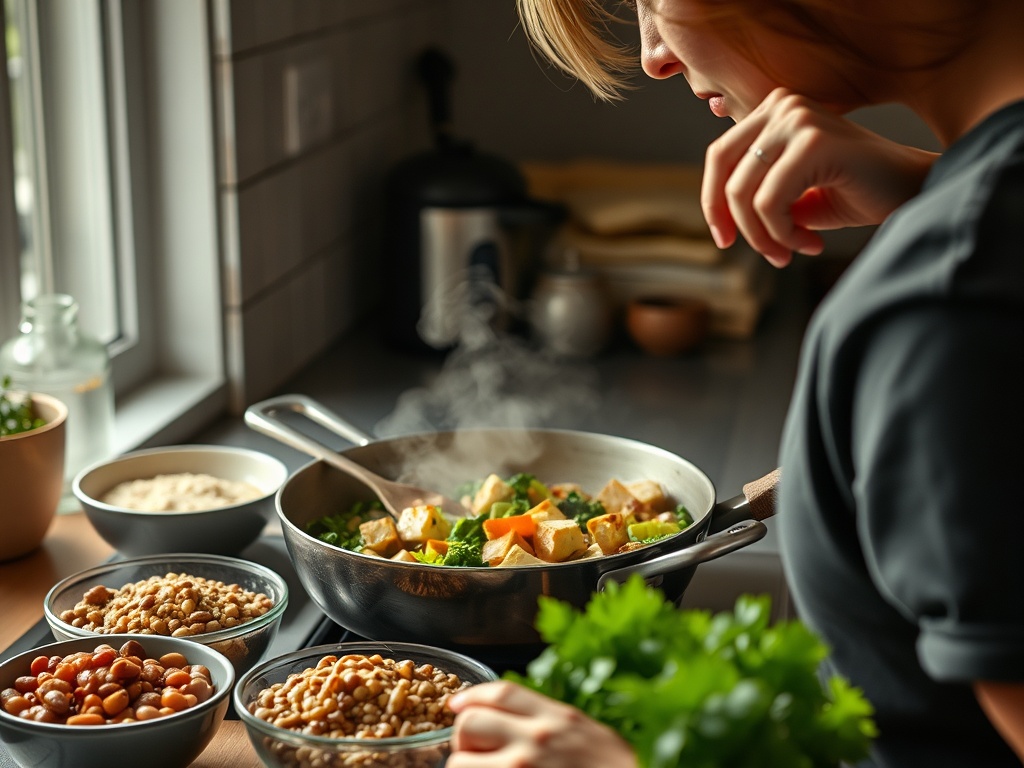
Meal prep gets repetitive when the entire meal stays the same. A better system is to rotate the protein base while keeping a few flexible cooking methods. For example, use tofu for a stir-fry, lentils for a warm grain bowl, chickpeas for a chopped salad, Greek-style yogurt or cottage cheese for a savory bowl if you eat dairy, eggs for a vegetable skillet if you eat eggs, and tempeh for tacos or wraps.
This creates variety without forcing you to learn ten new recipes every week. You can also rotate flavor profiles around the same protein: smoky and spicy, lemon-herb, curry-inspired, ginger-sesame, tomato-basil, or tahini-garlic. The goal is not culinary novelty for its own sake. It is making a nutritionally useful pattern easy enough to repeat.
Ten Meal Ideas That Do Not Feel Like the Same Bowl
1. Crispy tofu tacos with cabbage slaw, avocado, beans, and salsa.
2. Red lentil pasta with roasted vegetables and a ricotta or tofu-based sauce.
3. Chickpea and quinoa chopped salad with cucumber, herbs, olives, and lemon-tahini dressing.
4. Tempeh stir-fry with broccoli, mushrooms, brown rice, and a ginger-soy glaze.
5. Egg-and-black-bean breakfast skillet with peppers, tomatoes, and corn tortillas, if eggs fit your diet.
6. Greek-style yogurt savory bowl with cucumber, chickpeas, seeds, herbs, and whole-grain pita, if dairy fits your diet.
7. Edamame soba bowl with shredded vegetables, sesame, and a light peanut-lime sauce.
8. White bean and vegetable soup with whole-grain toast and a side salad.
9. Lentil shepherd’s pie topped with mashed potatoes or cauliflower-potato mash.
10. Paneer, tofu, or chickpea curry with vegetables and a measured portion of rice or flatbread, depending on your goals.
These are meal frameworks rather than fixed nutrition prescriptions. Portion size and protein quantity depend on your energy needs, body size, training, health status, and the rest of your day. Use labels and food composition data for exact values rather than assuming that every serving of a food supplies the same amount.
Pair Protein Sources When It Improves the Meal
You do not need to obsess over “complete proteins” at every bite, but combining foods can make meals more satisfying and nutrient-dense. Beans with whole grains, tofu with edamame, yogurt with seeds, or lentils with a whole-grain side can add protein while also contributing fiber, carbohydrates, fats, vitamins, and minerals.
If you are dieting while lifting, the companion article on strength training during fat loss explains why protein is only one part of preserving performance and lean tissue. Resistance training, a manageable energy deficit, and recovery still matter.
Make Texture the Anti-Boredom Tool
Repetition is often a texture problem as much as a flavor problem. If every vegetarian meal is soft, it can feel monotonous even when the seasoning changes. Add contrast: roasted chickpeas over creamy soup, crunchy seeds on yogurt, crisp tofu with soft rice, toasted nuts over lentils, or fresh vegetables beside a warm grain bowl.
Cooking method matters too. Tofu can be baked, pan-seared, air-fried, crumbled, blended into a sauce, or added to soup. Chickpeas can be mashed into a sandwich filling, roasted for crunch, simmered in curry, or tossed into pasta. One ingredient can support several very different meals.
Use Convenience Foods Strategically
Busy schedules are easier to manage when the kitchen contains fast protein options. Canned beans and lentils, frozen edamame, pre-cooked grains, plain yogurt, cottage cheese, tofu, tempeh, eggs, and minimally processed frozen meals can reduce the gap between intention and dinner. Check sodium, added sugar, saturated fat, and overall ingredients when choosing packaged foods, especially if you use them frequently.
For people trying to lose body fat, convenience can be an advantage rather than a compromise if it helps you follow a consistent eating pattern. The busy-schedule fat-loss plan focuses on repeatable meal structures, planned defaults, and realistic activity instead of requiring constant cooking.
Nutrition Details Vegetarians Should Keep on the Radar
Protein gets attention, but vegetarian diets also require attention to overall nutrient adequacy. Depending on the exact foods you eat, nutrients such as vitamin B12, iron, calcium, iodine, vitamin D, zinc, and omega-3 fats may deserve planning. Vegan diets need a reliable source of vitamin B12 through fortified foods or supplementation guided by appropriate nutrition advice.
If you have anemia, gastrointestinal disease, kidney disease, food allergies, pregnancy, or another condition that changes nutrition needs, use individualized guidance from a registered dietitian or clinician. A high-protein meal idea list cannot account for medical restrictions.
A Simple Formula for This Week’s Grocery List
- Pick three protein bases: for example tofu, lentils, and Greek-style yogurt or edamame.
- Pick two grains or starches: for example oats and brown rice, or potatoes and whole-grain wraps.
- Pick at least four vegetables and two fruits you will actually eat.
- Pick two sauces or flavor profiles that are different from each other.
- Pick one crunchy topping such as seeds or nuts and one fast freezer or pantry backup.
Use “Component Prep” Instead of Full Meal Prep
If pre-made meals become boring by Wednesday, prepare components instead. Cook one grain, roast two trays of vegetables, prepare one sauce, and make two protein bases. Those pieces can become tacos, salads, wraps, bowls, soups, or skillet meals. Component prep keeps weekday cooking fast while allowing enough variation in texture and seasoning to avoid the feeling of eating leftovers every day.
A simple example is roasted tofu plus lentils, brown rice, roasted peppers and broccoli, and a lemon-tahini sauce. One night the tofu and vegetables can go into a rice bowl; the next day lentils can become a soup; later the tofu can go into wraps with crunchy slaw. The ingredients repeat, but the eating experience changes.
What about vegetarian protein powders?
They can be convenient, especially when appetite, time, or training makes whole-food meals difficult, but they are not required for a high-protein vegetarian pattern. Compare ingredient lists and nutrition labels, and use powders as a supplement to a varied diet rather than the only reliable protein source.
Keep the Protein Base, Change the Experience
A high-protein vegetarian pattern does not require eating the same bowl every day. Rotate protein sources, cuisines, textures, and cooking methods while keeping a few reliable meal structures. That gives you enough consistency to shop and prep efficiently without making every lunch feel identical.
Choose three meals from this list for the coming week and make sure they use at least two different protein bases. If consistency is difficult, staying active without traditional exercise applies the same principle on the movement side: keep the goal, vary the format.