Direct answer: Choosing durable materials that reduce replacement frequency is best understood through practical risk control, clear documentation, and maintenance decisions that match the building’s real operating conditions. This guide explains how to evaluate the issue without overstating performance, cost, schedule, or code assumptions.
TL;DR: For durable materials lifecycle, focus on risk, evidence, responsible ownership, and a documented next action. Use credible standards and professional review where the decision affects safety, compliance, durability, or occupied building operations.
Article context: Cluster: Sustainability, Energy & Resilience. Content type and audience: Intermediate readers at the top of funnel stage.
Durability is a lifecycle decision, not a product label
Choosing durable materials can reduce replacement frequency when the material is matched to the environment, use pattern, maintenance capacity, and installation quality. Durability is not a universal product ranking. A material that performs well in one building may disappoint in another if exposure, cleaning, moisture, movement, or user behavior is different.
The core decision is lifecycle fit. Owners should ask what the material must resist: water, abrasion, impact, UV exposure, chemicals, temperature change, cleaning frequency, biological growth, or vandalism. EPA moisture-control guidance is a reminder that durability often begins with managing water, not simply buying a stronger finish.
Match material properties to exposure and use
Material selection should include installation conditions and maintainability. Some products perform well only when substrate preparation, sealants, fasteners, flashings, expansion joints, or curing conditions are correct. Others require cleaning products or maintenance routines that the owner may not be prepared to provide.

| Decision point | What to check | Why it matters |
|---|---|---|
| Risk | Safety, service continuity, water, access, or comfort consequences | Sets the urgency and escalation path. |
| Evidence | Photos, logs, measurements, trends, and field observations | Prevents guesswork and supports better scope decisions. |
| Responsibility | Owner, facility team, contractor, designer, or specialist | Keeps handoffs from becoming assumptions. |
| Follow-up | Monitoring, repair, replacement, or professional review | Turns findings into a practical next action. |
Balance first cost with maintenance reality
First cost can mislead. A cheaper material may be reasonable in a low-use area but expensive in a public corridor, clinical room, restroom, loading zone, balcony, or exterior transition. A premium material may also be wasteful if the exposure is mild or if replacement is easy. The right question is not “What lasts longest?” but “What level of durability does this location justify?”
Durable material choices matter in wet rooms, roof and wall transitions, high-traffic floors, exterior cladding, hand-contact surfaces, door hardware, mechanical rooms, and spaces with strict cleanability needs. In healthcare settings, material selection can become more complex because clinical cleaning, infection control, impact resistance, and repair access intersect with healthcare construction challenges.
Where durable choices matter most
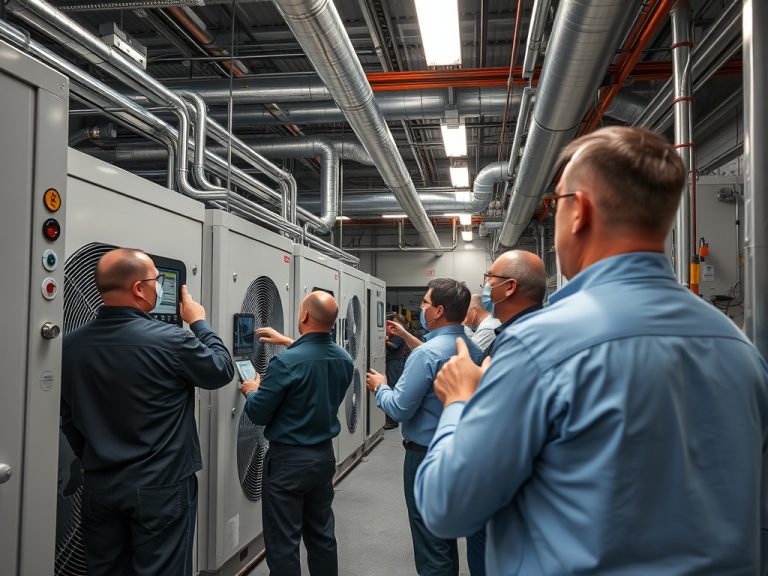
Teams should connect materials with maintenance planning. For example, a waterproofing assembly with compatible components may reduce recurring leaks, while finish selections in wet areas should reflect the detailed thinking behind waterproofing in showers, balconies, and basements. Mechanical assets also need durable supporting materials, coatings, insulation, and access provisions that support a strong chiller maintenance strategy.
Common mistakes include overfocusing on product brochures, ignoring installer skill, choosing finishes without cleaning input, and failing to document replacement components. Owners should request maintenance instructions, compatible cleaners, expected wear modes, spare materials, and warranty limitations before approving substitutions.
A practical selection framework
This article is for informational and educational purposes only. It is not engineering, code, procurement, warranty, or project management advice. Product selection should be reviewed against actual project conditions, local requirements, and manufacturer documentation.
Planning notes that keep durable materials lifecycle practical
Good maintenance and construction writing should not make a reader feel that every issue needs the most expensive solution. For durable materials lifecycle, the better approach is to sort the condition by consequence, evidence, and reversibility. A low-consequence issue can usually be monitored with a clear trigger for action. A high-consequence issue, especially one tied to safety, water intrusion, occupied operations, or critical systems, deserves faster review and better documentation.
Budget pressure should also be handled honestly. Some findings justify immediate corrective work, while others belong in a planned capital cycle. The difference should be explained with plain evidence: photos, trend data, inspection notes, operating history, manufacturer instructions, and the effect on occupants or service continuity. That makes the recommendation easier to review and less dependent on personality or urgency.
A practical plan also names the owner of the next step. If the item needs monitoring, say who will monitor it and how often. If it needs a proposal, say what scope assumptions must be verified. If it needs professional review, state why routine maintenance is not enough. This discipline reduces confusion between maintenance, repair, design, and capital planning responsibilities.
Finally, teams should close the loop after action is taken. Confirm that the repair, inspection, adjustment, or replacement solved the original problem rather than simply closing the work order. Where the same condition returns, treat it as a signal that the first scope may have addressed the symptom rather than the cause.
Field-ready takeaway for durable materials lifecycle
- Define the exposure and use pattern before comparing materials.
- Review installation requirements, not only product claims.
- Ask maintenance staff about cleaning, access, and repair practicality.
- Compare lifecycle fit, not only first cost.
- Document spare materials, compatible cleaners, and warranty limits.
Use this checklist as a starting point for discussion with the right facility, design, safety, or construction professional. It should be adapted to the asset, occupancy, local requirements, and contract responsibilities before being used as a work instruction.