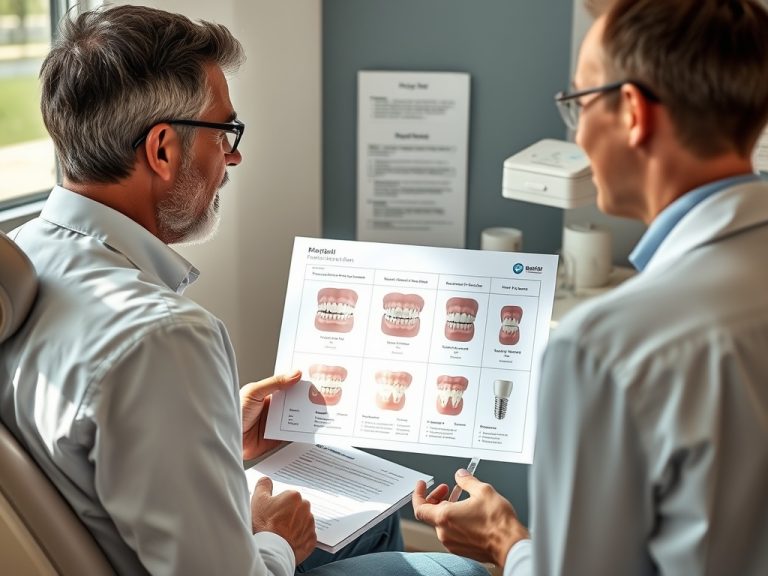
Root Resorption: What It Means When a Tooth Starts Breaking Down From Within
Root resorption is the term dentists use when part of a tooth’s root structure starts being broken down by the body’s own resorptive process. It sounds dramatic because it can be dramatic, but the practical question is not just what it is. It is where it started, how far it has spread, and whether the tooth can still be preserved predictably.
Definition In Plain English
- Root resorption means the tooth’s hard tissue is being dissolved by resorptive cells, not worn away by ordinary chewing or cavities alone.
- Dentists usually separate it into internal and external forms because the location changes the treatment options and the urgency of follow-up.
- Some cases are found by X-ray with no symptoms, while others need prompt referral because the tooth is weakening or the defect is progressing.
What the term really refers to
The American Association of Endodontists has described root resorption as a process involving the loss of dentin and or cementum that begins either within the pulpal tissues or in the periodontal ligament region. In plain English, that means the hard tissue of the tooth is being dissolved rather than simply chipped, worn, or decayed in the ordinary way. The AAE’s 2025 root resorption issue is useful because it frames the condition as a process, not a single look or symptom.
That difference matters. Patients often hear “resorption” and assume it means infection, a failed root canal, or severe cavity. Sometimes those problems overlap, but resorption is its own category. It changes how the tooth is investigated and what preserving it may involve.
Internal versus external: the distinction that drives treatment
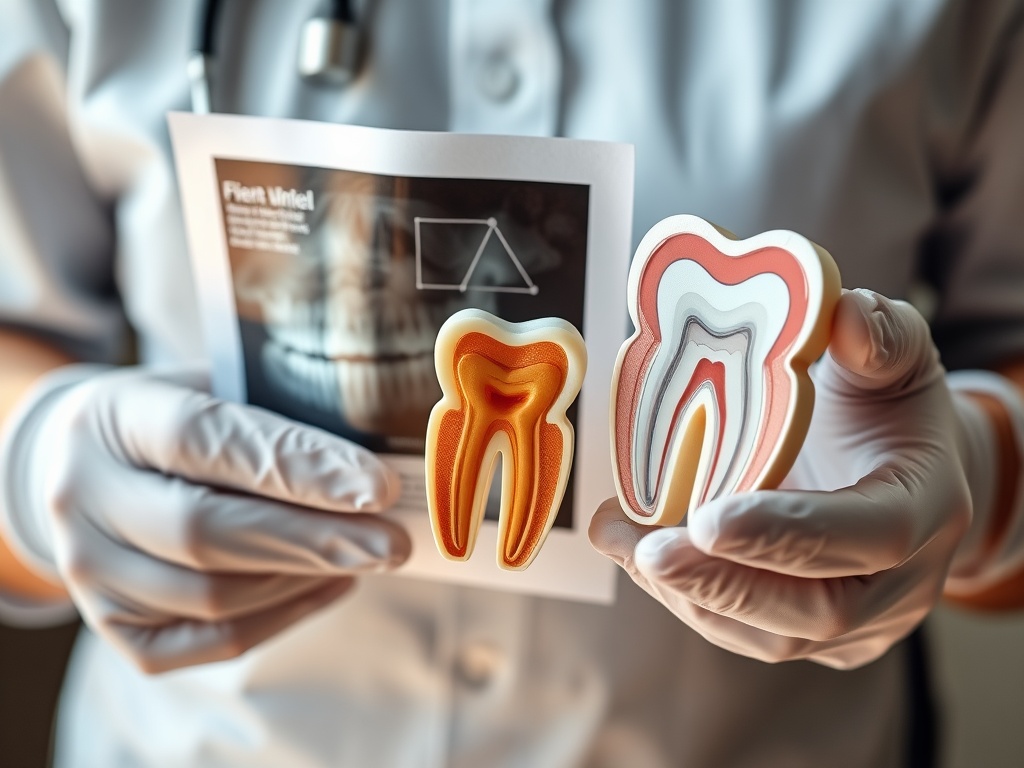
Internal root resorption begins inside the tooth, in the canal space. External resorption begins on the outside surface of the root and may involve several subtypes. The AAE’s explanation of differentiating resorption emphasizes that “external” is not one uniform problem. Some external defects are inflammatory, some are replacement-related, and some are connected to pressure, trauma, or impacted teeth.
| Type | Where it starts | Why it matters to patients |
|---|---|---|
| Internal resorption | Within the root canal system | May sometimes be treated through endodontic care if found before the tooth structure is too compromised |
| External resorption | On the outer root surface | Can range from something monitored closely to something that threatens the long-term survival of the tooth |
| Replacement or extensive external change | Outer root with surrounding bone interaction | Often signals a more guarded long-term outlook, especially after trauma |
Because the location matters so much, many dentists will not commit to a final treatment plan until they have the imaging they trust most. That can feel slower than patients expect, but it usually prevents the bigger error of treating the wrong problem first.
How people usually find out they have it
Some people feel nothing at all and first hear the term during routine imaging. Others come in because of lingering pain, a pinkish area in the crown, sensitivity, a loose feeling, or a tooth that looks different after injury. Trauma history matters. Orthodontic movement, impacted teeth, chronic inflammation, or prior procedures can also become part of the discussion depending on the pattern seen on the scan.
Because resorption can be silent, the next step is often better imaging and a more precise diagnosis, not immediate panic. That is another reason not to let a vague term sit unexamined in your chart. If the tooth has other restorative needs as well, restorative dentistry timeline: what can be done in one visit vs several helps explain why diagnosis may come before any final repair decision.
What it changes about the treatment plan
Resorption affects whether the dentist is trying to save the tooth, stabilize it, monitor it, or prepare for replacement options. If the defect is internal and the tooth can still be sealed and reinforced, endodontic treatment may be part of the plan. If the defect is external and extensive, the conversation may shift toward prognosis and whether keeping the tooth is predictable.
This is where patients get frustrated, because “watch it” can sound like indecision. Often it is not. It simply means the dentist is trying to distinguish a stable finding from an active process. If you were hoping for a quick, one-step restoration, resorption is one of the situations that can change the sequence fast.
Preservation is not an all-or-nothing idea here. Sometimes the dentist is trying to keep the tooth comfortable and functional for years. In other cases, the realistic goal is to buy time safely while planning a replacement. Hearing that distinction early can help patients avoid feeling blindsided later.
What people commonly confuse it with
- Cavities: decay destroys tooth structure too, but its cause and treatment pathway are different.
- Cracks: cracked teeth can hurt in similar ways, yet the imaging and prognosis may point in another direction.
- Failed root canal treatment: a previously treated tooth can still have resorption, but the two are not interchangeable.
- Normal root shortening after minor orthodontics: small changes are not the same thing as aggressive destructive resorption.
Home Care and Follow-Up for Root Resorption What It Means When a
Routine follow-up may be enough when the finding is small, stable, and already being monitored with clear instructions. But faster review is sensible if the tooth becomes painful, starts changing color, feels loose, or has a history of recent trauma. A growing defect on imaging, especially in a tooth you hoped to restore, may justify referral to an endodontist even if the symptoms seem modest.
If the tooth sits in a complicated part of the mouth or may influence extractions or future implant planning, related topics start to overlap. For upper back teeth and surgical planning, how sinus complications can affect upper tooth extractions shows how diagnosis can shape the next step. And if you are tempted to ignore the finding because it does not hurt yet, why delaying small dental problems usually costs more later is the right mindset check.
Questions About Root Resorption Means Tooth Starts Breaking Down Within
For Root Resorption Means Tooth Starts Breaking Down Within, this part of Questions About Root Resorption Means Tooth Starts Breaking Down Within focuses on the symptom history, previous treatment, current medicines, and the result the patient values most as the long-term result is reviewed, with the same details verified before consent is finalized. The clinician should also explain which examination finding supports each recommendation and what information could change it for Root Resorption Means Tooth Starts Breaking Down Within before temporary care is replaced, using the examination and health history rather than a general assumption.
The one question to ask when resorption appears on an X-ray
Ask this: “What type of resorption do you think this is, and what does that mean for saving the tooth?” That question forces the conversation into the details that matter: location, extent, pace, and prognosis. As a neutral next step, ask for the finding to be explained on the image itself and for the dentist to tell you whether the goal is monitor, treat, or refer.
Key Takeaways for Root Resorption Means Tooth Starts Breaking Down Within
A clear explanation of Root Resorption: What It Means When a Tooth Starts Breaking Down From Within should cover reasonable alternatives, limitations, timing, cost, and what happens if the first plan falls short. When deciding about Root Resorption: What It Means When a Tooth Starts Breaking Down From Within, leave with a written sequence and a specific point at which the plan will be reviewed again before consent is finalized.
Clinical Checks for Root Resorption Means Tooth Starts Breaking Down Within
Before accepting a plan for Root Resorption: What It Means When a Tooth Starts Breaking Down From Within, request a plain-language explanation of what would make the diagnosis or treatment sequence change when the diagnosis is confirmed. A sound decision about Root Resorption: What It Means When a Tooth Starts Breaking Down From Within begins with the findings that can be seen, measured, photographed, or confirmed on dental imaging.