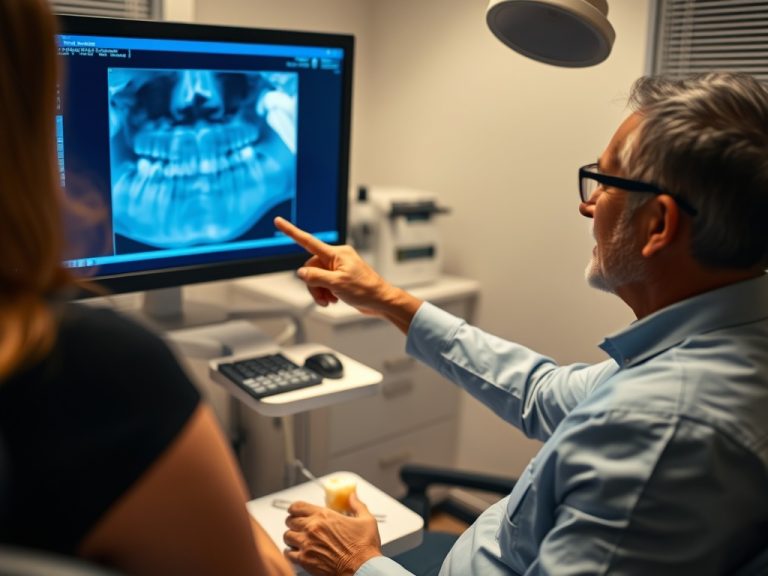
How Sinus Complications Can Affect Upper Tooth Extractions
Upper molar and premolar extractions can be more complicated than lower-tooth removals because the roots may sit close to the maxillary sinus. Most extractions heal uneventfully, but when the sinus is involved, the symptoms and follow-up advice can look different from the usual “bite on gauze and rest” instructions patients expect.
Short Version Before Surgery
- Upper back teeth sit close to the maxillary sinus, so sinus-related complications are a real but manageable part of extraction planning.
- The main concern is an opening or irritation between the mouth and sinus, which can show up as air or fluid passing strangely, congestion, pressure, bad taste, or delayed healing.
- Prompt follow-up matters because small problems are usually easier to manage before they turn into chronic sinus or fistula issues.
Why the sinus matters for upper back teeth
The upper back teeth share close real estate with the maxillary sinus, the air-filled space above them. That means an extraction can occasionally create a communication between the mouth and the sinus, move a root tip toward the sinus, or leave the area more vulnerable to sinus symptoms during healing. The open-access 2021 pictorial review on oroantral communication in PMC describes the extraction of upper posterior teeth as the most common cause of this mouth-to-sinus connection.
This does not mean upper extractions are inherently unsafe. It means the anatomy changes the consent discussion, the postoperative instructions, and the threshold for follow-up if healing does not feel routine. A careful surgeon often knows the site is “sinus-adjacent” before the tooth is removed, which is why the pre-op conversation matters.
What symptoms can point to sinus involvement
Some symptoms are subtle at first. Patients may notice unusual pressure when they gently breathe out through the nose, fluid seeming to move between the mouth and nose, a persistent bad taste, nasal stuffiness on one side, or a socket that never seems to settle. Others notice cheek pressure, bad breath, or a voice that sounds oddly “nasal” after an extraction.
The general Cleveland Clinic tooth extraction overview emphasizes that worsening pain, infection, or delayed healing should trigger follow-up after any extraction. With upper molars, the sinus becomes part of the reason that delayed healing matters. In other words, the same symptom deserves a little more attention when the anatomy sits this close together.
| What you notice | What it may suggest | Typical next step |
|---|---|---|
| Pressure, air movement, or fluid moving strangely after an upper extraction | Possible communication between the mouth and sinus | Call the extracting dentist or surgeon for guidance rather than “testing” it repeatedly at home |
| Persistent bad taste, congestion, cheek pressure, or drainage | Possible sinus irritation or infection during healing | Prompt review, especially if symptoms are worsening |
| Routine soreness that gradually improves | Often normal healing | Continue standard aftercare and attend follow-up if scheduled |
One reason this catches patients off guard is that the extraction itself may not feel dramatic. The anatomy issue only becomes obvious during healing, when pressure, drainage, or congestion starts behaving differently from a routine socket.
What is usually temporary versus what may need treatment
Not every sinus-related concern becomes a major complication. Small, uncomplicated openings may settle with proper precautions and close observation, especially when they are recognized early. The problem is that patients cannot reliably judge this on their own just by how odd the area feels for a day or two.
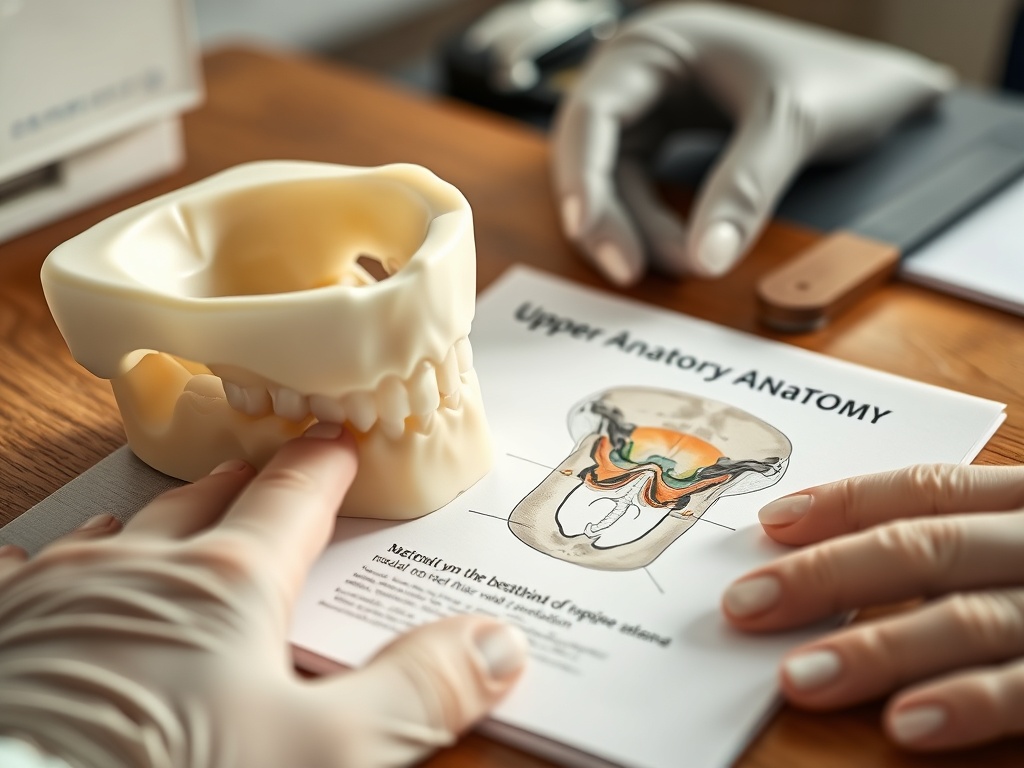
If the opening persists, becomes infected, or forms a more established tract, the treatment conversation changes. At that point the dentist or oral surgeon may need to close the area surgically, manage sinus inflammation, or coordinate care more closely. That is why early reporting helps even when your symptoms still seem manageable.
What you should and should not do at home
Follow the extraction instructions exactly, especially if your dentist mentions sinus precautions. That often means avoiding activities that sharply increase pressure in the area and not poking or “checking” the socket repeatedly. Patients sometimes make the problem worse by trying to prove to themselves that the opening is real.
What you can do is observe. Keep track of whether the area is calming down or becoming more strange over time. If you have had previous sinus issues or may later need implant planning in that region, it is wise to think beyond the extraction day itself. For example, the AAP’s dental implant overview notes how closely the upper back jaw and sinus anatomy interact in implant planning too.
Planning Notes for Sinus Complications Affect Upper Tooth Extractions
A routine follow-up is usually reasonable if you have expected soreness that is gradually improving, no nasal symptoms, and no sense that fluids or air are moving in an unusual way. Mild discomfort after an extraction is common. What matters is the direction of the healing curve.
Move quickly if the socket seems to communicate with the nose, congestion is building instead of easing, you have fever, swelling is increasing, drainage is foul, or you are getting cheek pain that feels more like sinus pressure than ordinary surgical soreness. Those red flags deserve a call even if the original extraction seemed straightforward. Waiting to “see if it closes on its own” is usually the wrong experiment.
Questions worth asking before an upper molar comes out
- How close are this tooth’s roots to the sinus on the imaging?
- If the sinus is involved, what symptoms should make me call right away?
- Are there any pressure precautions you want me to follow after surgery?
- Will this extraction affect future implant or bridge planning in the area?
Those questions are especially useful when the tooth has a complicated history. If the issue started with an unexpected finding rather than simple decay, related topics such as root resorption can become part of the planning picture. And once the area heals, how to build a long-term dental care plan instead of reacting to emergencies can help you decide what replacement or monitoring steps come next.
Questions About Sinus Complications Affect Upper Tooth Extractions
When How Sinus Complications Can Affect Upper Tooth Extractions is reviewed, ask the dentist to connect each recommendation to the examination findings and compare reasonable alternatives. Before leaving the discussion of How Sinus Complications Can Affect Upper Tooth Extractions, confirm the first step, expected follow-up, and warning signs that justify earlier contact when a second opinion is considered. A consultation about How Sinus Complications Can Affect Upper Tooth Extractions is more useful when you bring a brief timeline, current medicines, relevant health conditions, and details of earlier dental work.
The follow-up question that keeps recovery safer
The best preparation is not anxiety. It is clarity. Ask how close the tooth is to the sinus, what a normal recovery should feel like, and which symptoms change the plan. As a neutral next step, contact your dentist promptly if upper-extraction healing feels “sinus-like” rather than simply sore. Early clarification is almost always easier than waiting for a mouth-to-sinus problem to declare itself more dramatically.
Home Care and Follow-Up for How Sinus Complications Can Affect Upper Tooth Extractions
For Sinus Complications Affect Upper Tooth Extractions, this part of Home Care and Follow-Up for How Sinus Complications Can Affect focuses on safe cleaning tools, foods, products, and daily techniques before the next appointment is booked, with the same details verified before consent is finalized. The clinician should also explain which changes are expected and which should prompt an earlier call for Sinus Complications Affect Upper Tooth Extractions while the options are being narrowed, using the examination and health history rather than a general assumption.
Planning Notes for Sinus Complications Affect Upper Tooth Extractions During Planning
The urgency of How Sinus Complications Can Affect Upper Tooth Extractions depends on how quickly symptoms are changing and whether swelling, fever, trauma, bleeding, or loss of function is present. For How Sinus Complications Can Affect Upper Tooth Extractions, breathing difficulty, swallowing difficulty, spreading facial swelling, or uncontrolled bleeding requires prompt professional attention after the examination is explained.