How to Build a Long-Term Dental Care Plan Instead of Reacting to Emergencies
A long-term dental care plan does not mean filling your calendar with treatment. It means knowing what needs prevention, what needs repair, what can be monitored safely, and what future work should only happen after the basics are stable. That shift alone can turn dental care from a string of surprises into a sequence you can actually manage.
Planning Framework In Brief
- A long-term dental plan is a written sequence of prevention, repairs, monitoring, and future decisions, not a promise to do everything at once.
- The best plan prioritizes disease control and function first, then stages elective and cosmetic work around time, budget, and maintenance needs.
- Your plan should also say which symptoms make you book sooner, so emergencies become less random and more predictable.
Start with a baseline, not a wish list
Most reactive dental care starts with symptoms. A long-term plan starts with information. Bring your medical history, current medications, insurance details if relevant, old radiographs when available, and a clear list of what bothers you most: pain, appearance, chewing, bad breath, bleeding, or repeated broken work. That helps the visit move from crisis response to risk sorting.
The Mayo Clinic’s March 2024 oral-health guidance recommends routine dental checkups at least yearly for many adults, while also noting that some people need visits more often. The value of a baseline exam is that it tells you which category you are actually in, rather than guessing.
Split everything into four buckets
A useful plan becomes much easier when every finding is sorted into one of four buckets:
- Prevent: hygiene coaching, fluoride, bite protection, smoking reduction, and recall timing.
- Repair soon: active decay, failing restorations, gum inflammation, or symptoms that are trending the wrong way.
- Monitor: stable wear, small findings that are being watched, or teeth with guarded prognosis but no urgent symptoms.
- Consider later: elective cosmetic changes, non-urgent replacement upgrades, or improvements that make sense only after health is stable.
This approach protects people from using cosmetic goals to distract from disease control. It also keeps a treatment plan from feeling like one giant yes-or-no decision.
Ask for the order of care in writing
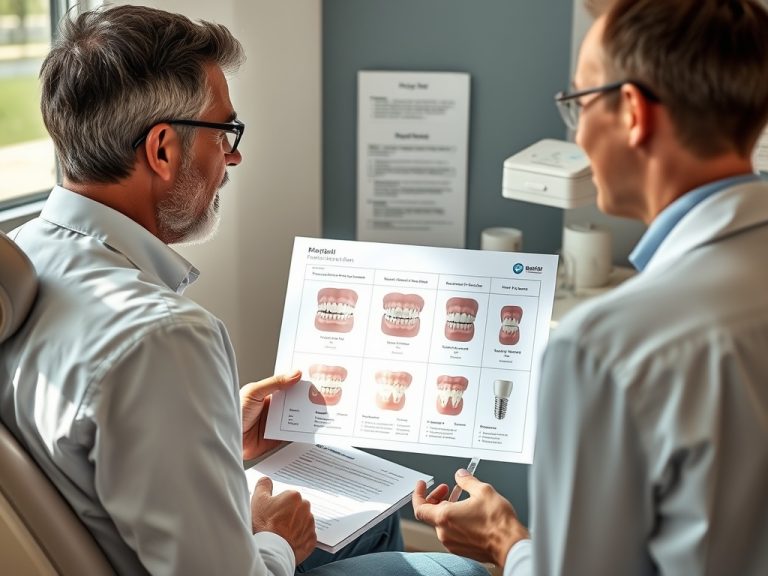
Many patients understand the recommendations but never receive the sequence clearly. Ask your dentist to write the phases down: what happens first, what can safely wait, and what may depend on how the mouth responds. If a tooth is being watched, ask what change would move it from “monitor” to “treat.”
This is especially helpful when restorative work may take more than one visit. If you want to understand how sequencing works for repairs, crowns, bridges, and implants, restorative dentistry timeline: what can be done in one visit vs several is the right companion piece. A written order of care makes it easier to budget and much harder to drift into emergency-only treatment by default.
| Part of the plan | Question to ask | Why it matters |
|---|---|---|
| Recall and prevention | How often do you want to see me, and what risk factors changed that timing? | Prevention schedules should be personalized, not generic |
| Repairs | Which item becomes more complex if I wait? | Helps you prioritize limited time and budget |
| Monitoring | What would count as progression here? | Turns “watch it” into an actual follow-up plan |
| Future options | What has to be stable before we discuss elective work? | Prevents cosmetic or replacement plans from outrunning the basics |
Build the home-care part like it is part of treatment, because it is
A real plan includes what you do between visits. That may include better plaque control, fluoride use, reducing acidic snacking, or wearing a prescribed appliance. The AAP’s gum disease prevention guidance ties home care and professional review directly to periodontal prevention, and it encourages regular periodontal evaluation as part of protecting long-term oral health.
If your plan may eventually include extractions or replacement planning in the upper back jaw, it also helps to understand how sinus complications can affect upper tooth extractions before a surgical conversation starts. Long-term plans work better when future risks are discussed early instead of after a surprise.
Common mistakes that keep people stuck in emergency mode
One mistake is treating pain as the only priority marker. Some problems do not hurt until the options are already narrowing. Another is combining too many goals into one decision, such as trying to solve bleeding gums, a missing tooth, and a cosmetic concern all through one treatment choice.
People also get stuck when they do not understand why providers recommend a certain order. If the sequence feels arbitrary, ask. A good plan should explain why one step protects the next one. Without that explanation, patients often postpone the very treatment that would have reduced future surprises.
Know your triggers for an earlier appointment
A long-term plan should not just tell you when to come back routinely. It should also tell you what changes the timeline. Examples include swelling, a loose restoration, new pain when biting, repeated bleeding around an implant, a cracked tooth, or a sudden shift in how your teeth meet. Those triggers turn “call if needed” into something much more usable.
If you tend to delay until the problem is obvious, it helps to read why delaying small dental problems usually costs more later. The point is not to create anxiety. It is to make earlier action feel rational instead of reactive.
Routine planning versus urgent dental care
Routine planning is for scheduling cleanings, checkups, treatment phases, and second opinions. Urgent care is for swelling, fever, trauma, uncontrolled bleeding, severe pain, or a restoration failure that leaves the tooth exposed and difficult to function on. A written plan should make that distinction obvious.
When patients know that difference, they stop using the emergency visit as their main source of dental decision-making. That is where the real savings in stress, time, and predictability show up.
Questions About Build Long-Term Dental Care Plan Instead Reacting Emergencies
For Build Long-Term Dental Care Plan Instead Reacting Emergencies, this part of Questions About Build Long-Term Dental Care Plan Instead Reacting Emergencies focuses on the symptom history, previous treatment, current medicines, and the result the patient values most before the final recommendation is accepted, with the same details verified before consent is finalized.
Your first review should answer these three questions
After your next exam, you should be able to answer three things without guessing: what needs to be prevented, what needs to be repaired next, and what symptoms should make you come in sooner than planned. If your current dentist can help you answer those clearly, you already have the beginning of a long-term plan. As a neutral next step, ask for your findings to be grouped into those categories and written down. Once the sequence is visible, reacting to emergencies stops being the only way you relate to dental care.
Who May Benefit From Build Long-Term Dental Care Plan Instead Reacting Emergencies
For Build Long-Term Dental Care Plan Instead Reacting Emergencies, this part of Who May Benefit From Build Long-Term Dental Care Plan Instead focuses on diagnosis, tissue health, medical history, goals, and ability to maintain the result during the initial review, with the same details verified when the follow-up plan is written. The clinician should also explain which risk factor would make another approach more predictable for Build Long-Term Dental Care Plan Instead Reacting Emergencies while cost and timing are compared, using the examination and health history rather than a general assumption.
Reliable Guidance for Build Long-Term Dental Care Plan Instead Reacting Emergencies
For Build Long-Term Dental Care Plan Instead Reacting Emergencies, this part of Reliable Guidance for Build Long-Term Dental Care Plan Instead Reacting focuses on current guidance that explains benefits, limits, alternatives, and warning signs while the options are being narrowed, with the same details verified when the follow-up plan is written. The clinician should also explain how general information differs from advice based on the actual examination for Build Long-Term Dental Care Plan Instead Reacting Emergencies while the expected outcome is clarified, using the examination and health history rather than a general assumption.