How Often Should People With Crowns, Implants, or Bridges Get Checked?
People with crowns, implants, or bridges still need regular dental checkups, and many are reviewed on the same recall schedule they used before the restoration. The exact timing depends less on the hardware itself and more on the tissues around it, your bite habits, and whether your dentist is trying to catch a small problem before it turns into a repair.
Quick Answer
- Most people with crowns, bridges, or implants still benefit from routine exams and cleanings, and the interval is often every six months but can be shorter or longer based on gum health, decay risk, and home care.
- Implants need monitoring for inflammation around the tissues, crowns need margin and bite checks, and bridges need both the supporting teeth and the area under the false tooth reviewed.
- Book sooner if you notice bleeding, a loose or chipped restoration, new food trapping, a bad taste, swelling, or pain that is not settling.
Why a restored tooth still needs routine monitoring
A crown, bridge, or implant does not make that part of your mouth “finished.” A crown can still develop leakage around its edge, a bridge can trap plaque under the replacement tooth, and an implant can develop inflammation in the surrounding tissue even though the implant itself cannot get a cavity. The American Academy of Periodontology’s peri-implant disease guidance explains that implants need the same kind of daily plaque control and regular professional review as natural teeth.
That is why your recall interval is usually based on risk, not on whether the work is “permanent.” Someone with a stable bite, low decay risk, and healthy gums may stay on a routine schedule, while a person with smoking history, diabetes, previous gum disease, heavy clenching, or repeated crown failures may be seen more often. If you have never had a restoration reviewed since it was placed, this is also a good moment to read why delaying small dental problems usually costs more later, because the early warning signs around dental work are often easier to fix than late-stage failures.
Do crowns, implants, and bridges follow the same checkup rhythm?
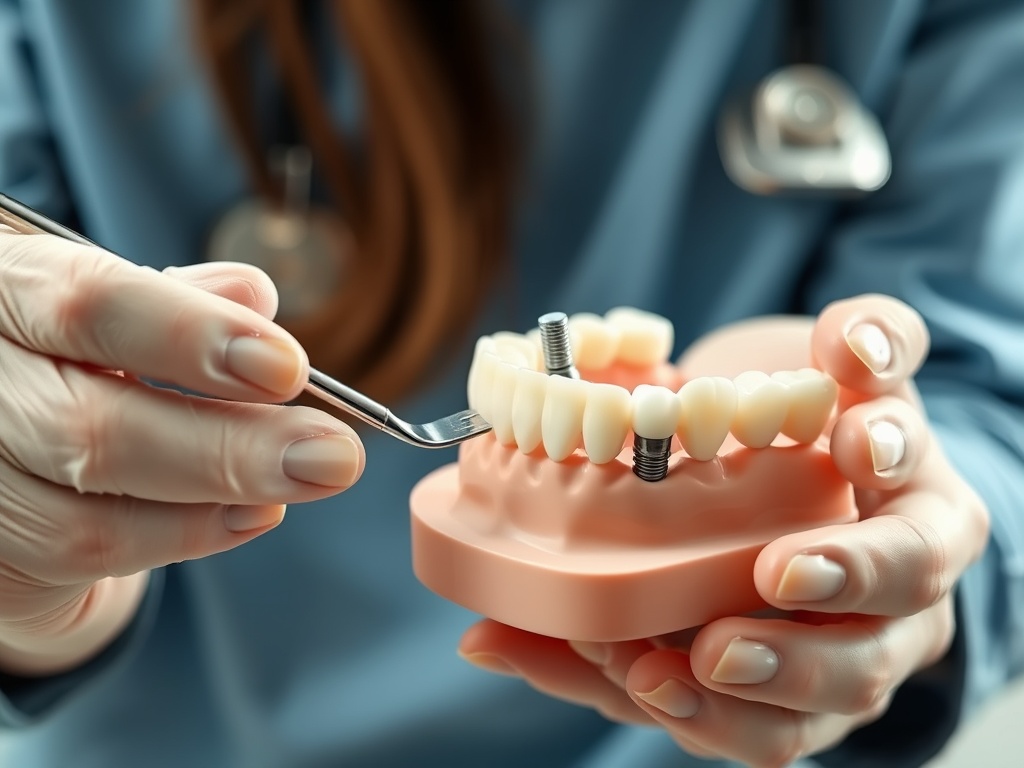
Not always. A single crown on an otherwise healthy tooth is often checked during your normal exam and cleaning. A bridge needs extra attention to the supporting teeth on either side and to the space underneath the replacement tooth. An implant is different again because the dentist is also checking the gum seal, bone support, and whether the implant restoration is cleanable. The Mayo Clinic’s March 2024 oral-health guidance says many adults should see a dentist at least once a year, while some people need visits or cleanings more often based on their situation.
| Restoration | What the dentist is usually checking | Why timing may change |
|---|---|---|
| Crown | Margin fit, bite, sensitivity, cracks, gum response | Higher decay risk, grinding, or a history of crown fractures may justify closer review |
| Bridge | Health of the supporting teeth, food trapping, cleanability under the false tooth | Plaque buildup under the bridge or changes in the abutment teeth can push visits earlier |
| Implant | Bleeding, tissue inflammation, bone support, screw or crown stability, access for cleaning | Previous gum disease, smoking, diabetes, or difficult-to-clean implant designs often call for tighter maintenance |
Home care matters between visits. Bridges often need a floss threader, super floss, or another aid that can reach under the false tooth, while implants may need an interdental tool size that fits without scraping the tissue. If your current routine feels improvised, ask for a demonstration chairside instead of assuming “regular brushing” covers every design.
Questions patients ask most often
“If it feels fine, can I just wait until my next cleaning?”
Sometimes yes, but only if nothing has changed. A brief episode of cold sensitivity after a new crown, or mild food packing you can explain and remove, may be reasonable to monitor for a short period. Ongoing bleeding, repeated bad taste, pressure when biting, or a restoration that suddenly feels “high” is different. Those signs may point to gum inflammation, cement washout, a crack, or an implant-area hygiene problem that is easier to address early.
“Is some tenderness normal after the work is done?”
Short-term tenderness can happen after crown placement, bite adjustment, bridge cementation, or implant-stage procedures. The question is whether it is steadily improving. If discomfort is getting worse, waking you up, or showing up with swelling, you should not assume it is normal healing. A restoration that is new but hard to chew on may simply need a bite adjustment, and a newly placed implant crown may need its contact points or cleaning access reviewed.
“What makes an implant check different from a crown check?”
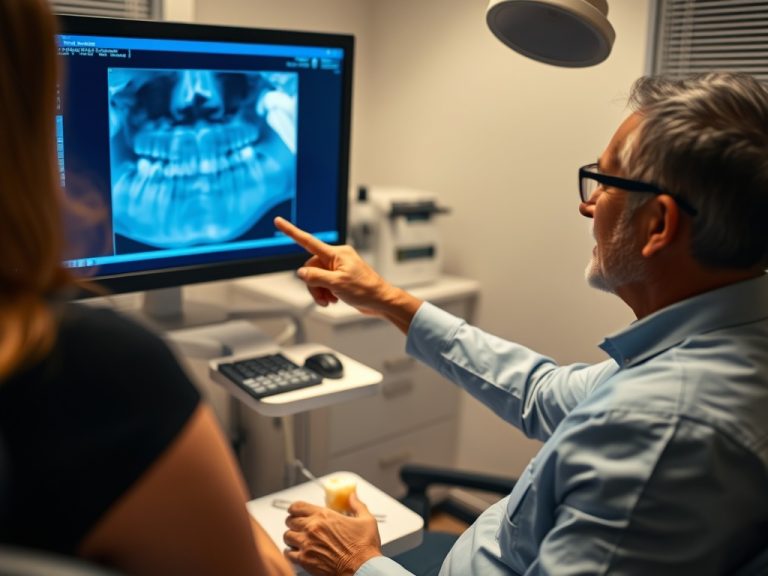
An implant visit is not just about the visible crown. Your dentist may check the tissue tone, bleeding, plaque retention points, and sometimes radiographs to compare bone levels over time. That is one reason patients with implants often benefit from a written maintenance plan. If you have not built one yet, how to build a long-term dental care plan instead of reacting to emergencies can help you organize recall visits, hygiene goals, and the symptoms that should trigger an earlier appointment.
Signs that can wait for a routine visit versus signs that deserve faster care
A routine appointment is usually appropriate for small questions: a floss threader that no longer slides easily under a bridge, light sensitivity that is improving, or a crown that feels slightly rough but is not loose. Book sooner if you notice bleeding around an implant, food consistently catching in one spot, a chipped porcelain edge, or soreness that keeps returning.
Urgent dental assessment is wiser when you have facial swelling, fever, pus, a loose implant crown or bridge, trouble biting because the restoration has shifted, or pain that is getting more intense rather than better. Implants should not feel mobile. A crown or bridge that has come off may not be a medical emergency, but it is still a same-day or next-day dental call because exposed teeth can fracture or decay quickly.
A simple recall rule to remember
If you have crowns, implants, or bridges and you cannot remember the last time each one was specifically reviewed, you are probably due. The safest habit is to ask your dentist one clear question at the end of every visit: “When do you want to see this restoration again, and what changes should make me come in sooner?” That turns a generic cleaning schedule into a plan tailored to the work already in your mouth.
As a neutral next step, schedule a routine review if your restoration feels stable but overdue, and call sooner if you have bleeding, looseness, a bad taste, or bite pain. Small maintenance visits are usually easier than unplanned repairs.
Planning Notes for Often People Crowns Implants Bridges Get Checked
For Often People Crowns Implants Bridges Get Checked, this part of Planning Notes for Often People Crowns Implants Bridges Get Checked focuses on the clinical findings and the outcome the patient values most before consent is finalized, with the same details verified before consent is finalized. The clinician should also explain alternatives, limitations, timing, cost, and long-term upkeep for Often People Crowns Implants Bridges Get Checked before treatment is scheduled, using the examination and health history rather than a general assumption. Recording that explanation gives the patient a clearer next step for Often People Crowns Implants Bridges Get Checked before consent is finalized, especially when follow-up duties are reviewed before consent is finalized.
Who May Benefit From Often People Crowns Implants Bridges Get Checked
Before proceeding with How Often Should People With Crowns, Implants, or Bridges Get Checked, identify the factor that would make the dentist postpone care or recommend another approach while comfort and function are assessed. Suitability for How Often Should People With Crowns, Implants, or Bridges Get Checked depends on the diagnosis, tissue health, medical history, goals, and ability to maintain the result. When considering How Often Should People With Crowns, Implants, or Bridges Get Checked, ask how smoking, medicines, grinding, hygiene, or earlier dental work could change predictability.