The Biggest Smile Makeover Mistakes Patients Make
The biggest smile-makeover mistakes usually happen before the first veneer, crown, or whitening appointment starts. Patients get into trouble when they treat cosmetic dentistry like shopping instead of treatment planning and end up making decisions before health, bite, and maintenance have been discussed in plain language.
Planning Truths That Save Trouble
- Most smile-makeover disappointments start with rushed planning, not with one obviously “bad” product.
- Skipping gum and decay treatment, ignoring bite habits, and choosing from photos alone can raise cost, treatment time, and failure risk.
- A better workflow moves from health and function to design preview to staged treatment, instead of jumping straight to irreversible work.
Health first, aesthetics second
A brighter or more even smile is a reasonable goal, but cosmetic work is still dentistry. If decay, gum inflammation, or unstable bite forces are active in the background, they do not disappear just because the final plan looks beautiful in a mock-up. The Cleveland Clinic’s veneers overview notes that veneers are not the right starting point when significant cavities or gum disease are present. That principle applies to smile makeovers more broadly.
Mistake number one is starting the visible part before the foundation is ready. Patients sometimes see this as a delay, but it is usually risk control. If you want to understand why postponing the small problems can undermine the cosmetic result later, read why delaying small dental problems usually costs more later.
Choosing from photos alone
Before-and-after galleries are useful for discussing style, but they are not a diagnosis. Your lip line, tooth position, gum symmetry, enamel thickness, bite, and parafunctional habits all change what is realistic. Copying another person’s smile can lead to shapes or shades that do not fit your face, speech, or bite.
The Cleveland Clinic’s November 2024 cosmetic dentistry guide describes cosmetic procedures as ways to improve balance and symmetry. That is a better goal than imitation. The strongest plans look personal and believable, not transplanted.
Confusing whitening, bonding, veneers, and crowns
Many patients enter a consultation with one treatment name already fixed in their minds. That can narrow the conversation too early. Whitening changes color but not shape. Bonding can be conservative, but it is not always the best answer for major wear or structural weakness. Veneers can change shape and color on the front surface, while crowns cover the whole tooth and are restorative in purpose. The Cleveland Clinic’s crown guide makes that restorative-versus-cosmetic distinction clearly.
The mistake is not preferring one option. It is assuming the name of the procedure tells you whether it is appropriate. If the plan also includes repairing old restorations or sequencing several stages, restorative dentistry timeline: what can be done in one visit vs several helps show why cosmetic choices often sit inside a wider restorative schedule.
Ignoring clenching, grinding, and bite forces
Cosmetic dentistry does not happen in a vacuum. Heavy clenching can chip porcelain, wear bonding, stress temporary restorations, and make a newly designed smile feel uncomfortable even if it looks good. Patients who say, “I only care how it looks,” sometimes discover later that the bite was the real long-term issue.
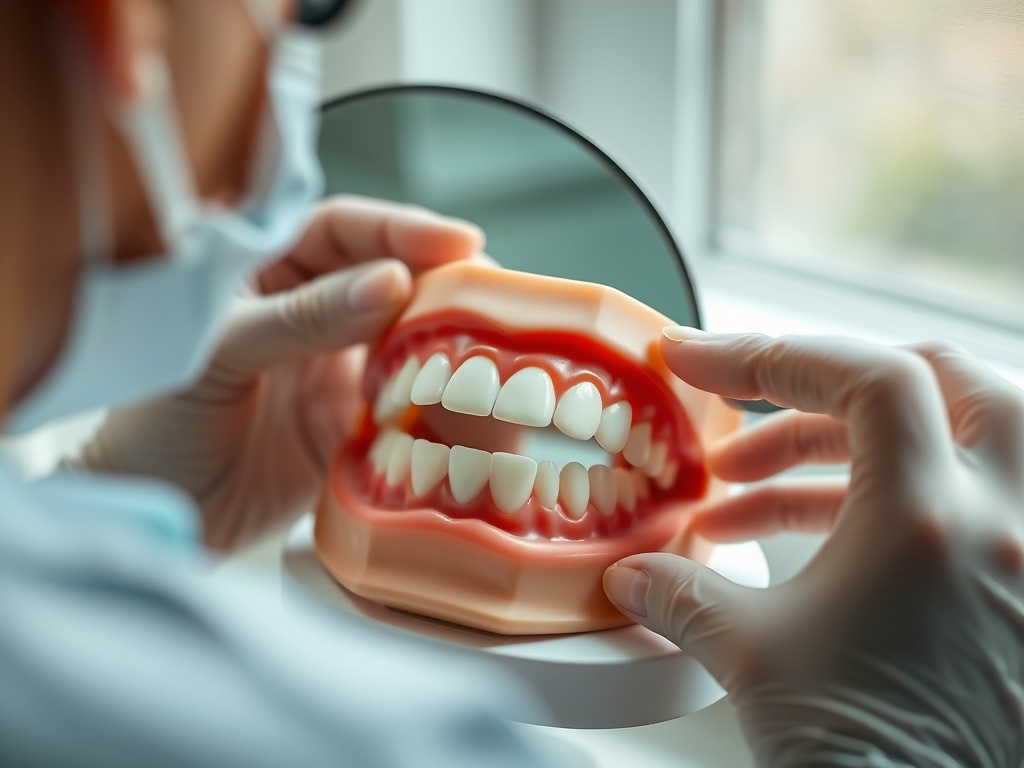
This is one reason many good cosmetic consultations include questions about headaches, flattened teeth, jaw soreness, or broken edges on old dental work. Understanding the role of bite protection before finalizing the design can prevent avoidable chipping and overload. A guard is not the whole treatment plan, but it can be an important part of preserving cosmetic work.
Skipping the preview stage
Patients often want certainty, but then rush past the most useful checkpoint: the preview. Depending on the case, that may be a wax-up, mock-up, provisional phase, or digital design review. The point is not perfection on the first try. The point is to test shape, proportion, and overall direction before irreversible steps are complete.
Without that preview stage, patients are more likely to react late to details that could have been discussed earlier: “These teeth feel too long,” “the edge line looks too flat,” or “this white looks too bright for me.” Fixing that after preparation can mean more changes, more cost, or more tooth reduction than expected.
Shopping on price instead of sequence
Price matters. But comparing smile-makeover quotes without comparing the sequencing behind them can be misleading. One plan may include gum stabilization, temporaries, bite refinement, and follow-up polishing. Another may look cheaper only because some of those steps are absent or left vague.
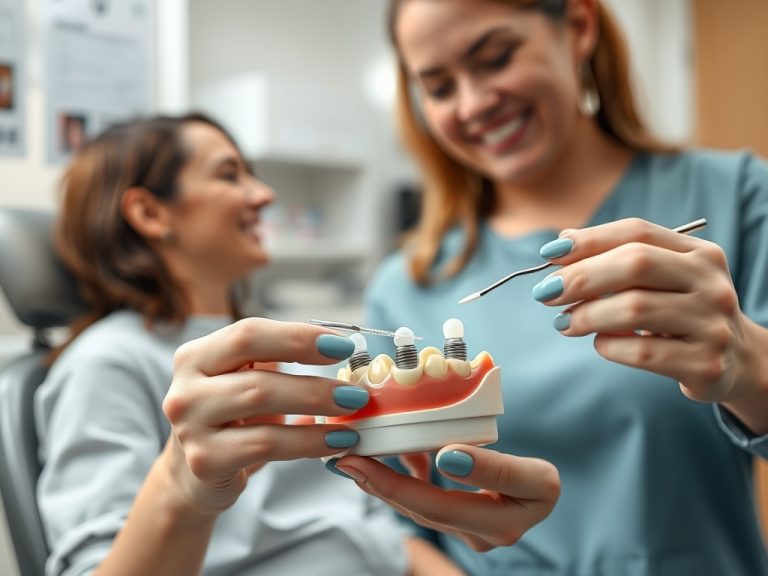
A better question than “Why is this more expensive?” is “What stages, materials, and maintenance are included?” That shifts the conversation from sticker shock to predictability. If implants or older restorations are part of your smile zone, maintenance planning matters just as much as the visible makeover, which is why how to clean around a dental implant without damaging the tissue belongs in the same planning mindset.
Underestimating maintenance after the reveal
The smile reveal is not the finish line. Patients sometimes spend a great deal on appearance and very little time thinking about how they will maintain it. Bonding can stain and chip. Veneers and crowns still need hygiene around the margins. Nighttime grinding can shorten the life of the work. Whitening may need maintenance rather than one-off treatment.
This is also where communication matters. If the team never explained what habits put the result at risk, the patient may think a repair means the original plan failed. In reality, even good work needs a maintenance strategy.
Early warning signs that the plan is moving too fast
Be careful when a consultation jumps straight from inspiration photos to irreversible treatment without discussing gum health, bite records, temporaries, or how the result will be maintained. Another warning sign is being told there is only one good cosmetic option when your concerns are actually small and several conservative routes may exist.
You should also pause if you feel pushed to decide on shade and shape before you understand how many teeth are involved and why. Cosmetic regret often starts as communication regret.
Questions About Biggest Smile Makeover Mistakes Patients Make
For Biggest Smile Makeover Mistakes Patients Make, this part of Questions About Biggest Smile Makeover Mistakes Patients Make focuses on the symptom history, previous treatment, current medicines, and the result the patient values most while recovery expectations are clarified, with the same details verified before consent is finalized.
A smarter way to plan the result you actually want
The stronger workflow is simple: stabilize health, clarify the goal, preview the design, phase treatment when needed, and agree on maintenance before the final reveal. As a neutral next step, ask your dentist to show you the order of care in writing and to explain which parts are reversible, which are conservative, and which are permanent. That conversation usually exposes the weak spots in a rushed makeover plan long before they become expensive mistakes.
Cost Planning for Biggest Smile Makeover Mistakes Patients Make
For Biggest Smile Makeover Mistakes Patients Make, this part of Cost Planning for Biggest Smile Makeover Mistakes Patients Make focuses on an itemized estimate that separates diagnosis, temporary care, laboratory work, treatment, and follow-up when the diagnosis is confirmed, with the same details verified before consent is finalized. The clinician should also explain insurance assumptions, payment timing, and later maintenance expenses for Biggest Smile Makeover Mistakes Patients Make before the final recommendation is accepted, using the examination and health history rather than a general assumption.