Laser Gum Therapy vs Traditional Periodontal Treatment
Laser gum therapy can be helpful in selected periodontal cases, but it is not a universal upgrade over conventional care. For many patients, the real decision is not laser versus old-fashioned dentistry. It is whether the proposed treatment matches the stage of gum disease, the anatomy of the defect, and the kind of maintenance the mouth will still need afterward.
Decision Snapshot
- Laser therapy can be useful in periodontal care, but it is not automatically better, less invasive, or longer lasting for every case.
- Traditional treatment still includes the core options most patients hear about first: scaling and root planing, periodontal maintenance, and when needed, surgery or grafting.
- The most useful consultation question is not “Do you use a laser?” but “What diagnosis do I have, and what exactly will the laser replace or add?”
What the two paths usually mean in real life
“Traditional periodontal treatment” usually refers to the established ladder of care: deep cleaning below the gumline, ongoing maintenance, and in more advanced cases, surgical procedures that improve access, reshape tissue, or regenerate lost support. The American Academy of Periodontology’s non-surgical treatment page describes scaling and root planing as the core non-surgical approach for infected root surfaces.
Laser gum therapy is broader than many ads make it sound. Different lasers do different jobs, and some dentists use them as an adjunct to conventional treatment rather than a stand-alone replacement. The same AAP guidance says controlled studies have found similar results between laser treatment and certain other non-surgical options, including scaling and root planing alone. That matters because it shifts the discussion from marketing language to diagnosis, access, and long-term maintenance.
How they compare when you are the one making the decision
| Question | Laser-based approach | Traditional periodontal treatment |
|---|---|---|
| How it works | Uses a specific wavelength to remove or disrupt diseased tissue and bacteria, usually as part of a broader treatment plan | Uses mechanical cleaning, surgical access, grafting, or regenerative techniques depending on disease severity |
| Best fit | Selected cases where the clinician believes laser access and tissue response fit the diagnosis | Broad range of cases, from early periodontal pockets to advanced defects needing surgery |
| What patients often like | Can be presented as less invasive, with less bleeding and less postoperative discomfort in some cases | Long track record, clearer evidence base for many common disease patterns, and more direct access when anatomy is complex |
| Main limitation | Results depend heavily on case selection, operator skill, and what else is done alongside it | May involve more obvious surgery, sutures, or staged visits when disease is advanced |
| What does not change | Daily plaque control and regular maintenance visits are still essential | Daily plaque control and regular maintenance visits are still essential |
Comparing Options for Laser Gum Therapy vs Traditional Periodontal Treatment
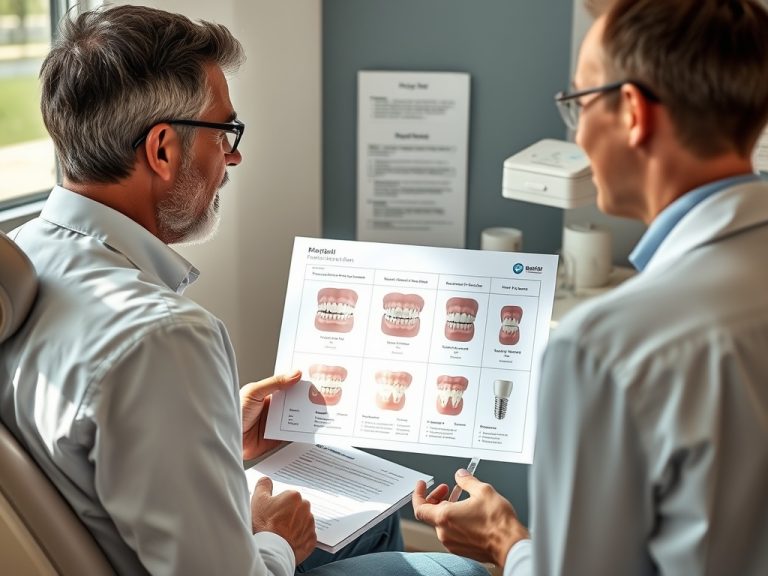
A laser discussion usually makes more sense after you know the diagnosis. Is this bleeding with shallow pockets, deeper pockets that need root debridement, recession, bone loss, or a site that may need regenerative surgery? If you do not know the stage or extent of disease, the method cannot be judged in a meaningful way.
Dentists and periodontists often favor conventional mechanical treatment when they need predictable access to heavy deposits, root anatomy is complex, or the case may progress to surgical recontouring or grafting. The AAP’s surgical procedures overview is useful here because it shows how many periodontal problems are not just about bacteria. Some are also about lost support, recession, tissue shape, or bone defects that need direct visualization.
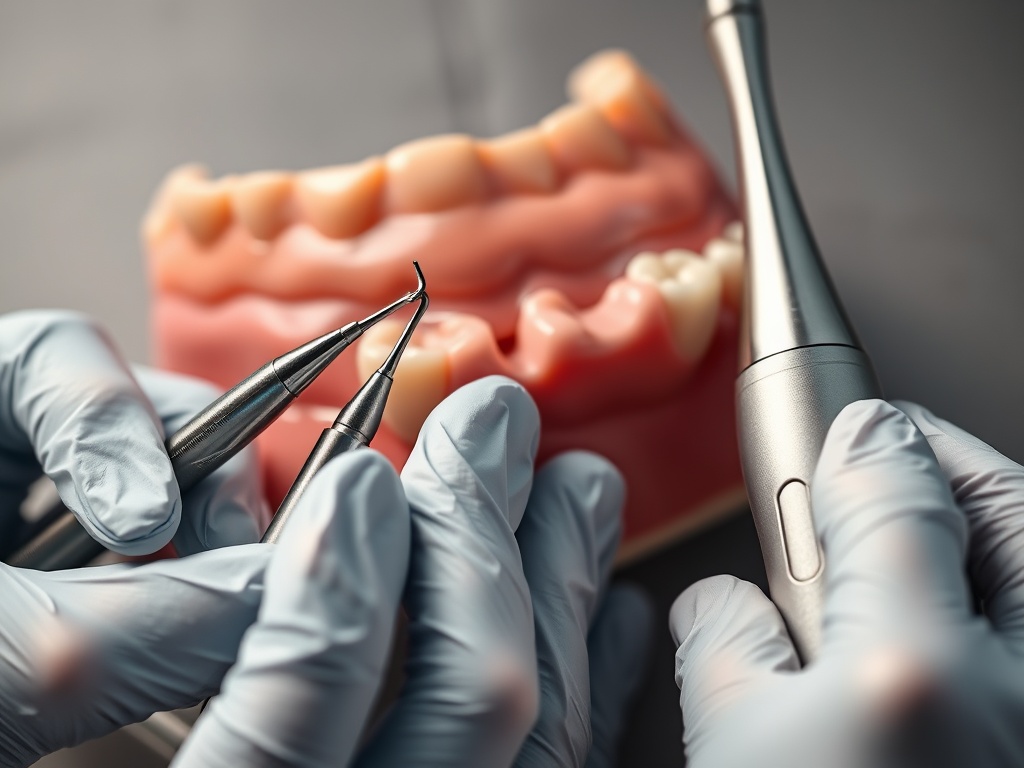
Laser therapy may enter the conversation when the provider believes it can improve tissue management, reduce mechanical trauma, or complement debridement in a way that suits the site. But the honest version of the conversation includes the possibility that a laser is one tool among several, not the entire treatment plan.
Comfort, healing, and “less invasive” claims
This is where many patients get pulled toward laser therapy first. A less invasive experience is attractive, and in some cases it may be true that tissues bleed less or feel easier to recover from. But comfort is not the same as disease control. A treatment that feels gentler can still be the wrong choice if it does not adequately address deposits, pocket anatomy, or the need for regeneration.
Smoking, diabetes, home care quality, and previous gum disease history all change healing and stability. The AAP’s patient information on gum health and tobacco use notes that tobacco can make periodontal disease harder to detect and can slow healing, which means the same procedure may behave differently in two patients who look similar at first consultation.
The part every treatment option still has to answer
No matter which approach you are considering, ask these questions before you commit:
- What exactly is my diagnosis, and how advanced is it?
- Is the laser replacing scaling and root planing, adding to it, or being used instead of surgery?
- What signs will tell us the treatment is working at my review visit?
- What happens if the tissues do not respond the way you expect?
- How often will I need maintenance after treatment?
Patients with implants should be especially careful to understand the maintenance side, because gum health and implant health overlap. If you already have an implant in the area, how to clean around a dental implant without damaging the tissue is worth reading before your consultation. If you are also due for restorative reviews, how often should people with crowns, implants, or bridges get checked? helps put periodontal follow-up in a wider maintenance context.
Planning Notes for Laser Gum Therapy vs Traditional Periodontal Treatment
If you are comparing options before starting care and your symptoms are mild, a routine periodontal consultation or second opinion is usually appropriate. That includes bleeding gums, recession concerns, or bad breath that has not come with swelling or significant pain.
Do not sit on facial swelling, pus, fever, rapidly loosening teeth, or pain that is becoming hard to chew through. Those situations deserve faster care, even if you still intend to ask about lasers later. A technique comparison should never delay treatment for active infection.
Questions worth bringing to a second opinion
The strongest treatment plans do not depend on slogans like “modern” or “traditional.” They explain what is diseased, what the proposed procedure can realistically change, and what daily care and maintenance will still be required afterward. As a neutral next step, ask for your periodontal diagnosis in plain language and have the dentist walk you through what part of the plan is technique choice and what part is basic disease control. That is the point where the right option usually becomes much clearer.
If jaw clenching or heavy bite forces are part of your oral-health picture, it can also help to understand what different night guards actually do, because biting forces and periodontal health sometimes intersect in treatment planning.
Timing and Recovery for Laser Gum Therapy vs Traditional Periodontal Treatment
For Laser Gum Therapy vs Traditional Periodontal Treatment, this part of Timing and Recovery for Laser Gum Therapy vs Traditional Periodontal focuses on the order of diagnosis, preparation, treatment, healing, adjustment, and review when the follow-up plan is written, with the same details verified before consent is finalized. The clinician should also explain how work, travel, eating, driving, exercise, or caregiving may be affected for Laser Gum Therapy vs Traditional Periodontal Treatment as the long-term result is reviewed, using the examination and health history rather than a general assumption.
Home Care and Follow-Up for Laser Gum Therapy vs Traditional Periodontal Treatment
Long-term success with Laser Gum Therapy vs Traditional Periodontal Treatment is easier to protect when daily cleaning and maintenance instructions are written clearly while comfort and function are assessed. Home care related to Laser Gum Therapy vs Traditional Periodontal Treatment should match the material involved, the condition of the tissues, and the stage of healing. For Laser Gum Therapy vs Traditional Periodontal Treatment, ask which brushes, cleaners, rinses, foods, or habits are safe and which could irritate the area or damage the result when maintenance is discussed.
Planning Notes for Laser Gum Therapy vs Traditional Periodontal Treatment During Planning
The urgency of Laser Gum Therapy vs Traditional Periodontal Treatment depends on how quickly symptoms are changing and whether swelling, fever, trauma, bleeding, or loss of function is present. For Laser Gum Therapy vs Traditional Periodontal Treatment, breathing difficulty, swallowing difficulty, spreading facial swelling, or uncontrolled bleeding requires prompt professional attention while comfort and function are assessed.