Clenching, Grinding, and Jaw Pain: What Different Night Guards Actually Do
Night guards can be useful, but they are often oversimplified. The right appliance depends on whether the main problem is tooth wear, muscle clenching, a sore jaw joint, repeated damage to crowns or fillings, or a sleep-breathing issue that needs a very different kind of oral appliance.
What To Know Before Buying A Guard
- A night guard mainly protects teeth and restorations from force; it does not diagnose the cause of jaw pain by itself.
- Different appliances serve different goals, from short-term tooth protection to custom stabilization or sleep-related airway treatment.
- A guard that makes pain worse, changes your bite, or is being used without an exam for locking, severe pain, or possible sleep apnea needs professional review.
Start with the symptom pattern, not the product
Jaw pain and tooth grinding are related, but they are not identical. The National Institute of Dental and Craniofacial Research’s March 2025 bruxism page explains that severe bruxism can damage teeth and restorations and may lead to jaw pain, headaches, and sensitivity. That makes tooth protection important. It does not mean every sore jaw is solved by buying a guard online.
The NIDCR’s temporomandibular disorders guidance also points out that clicking without pain is common and does not automatically need treatment. Painful locking, spreading facial pain, major bite changes, or dizziness alongside jaw symptoms deserve more careful evaluation than a generic mouthguard purchase.
What the main types of night guards are trying to do
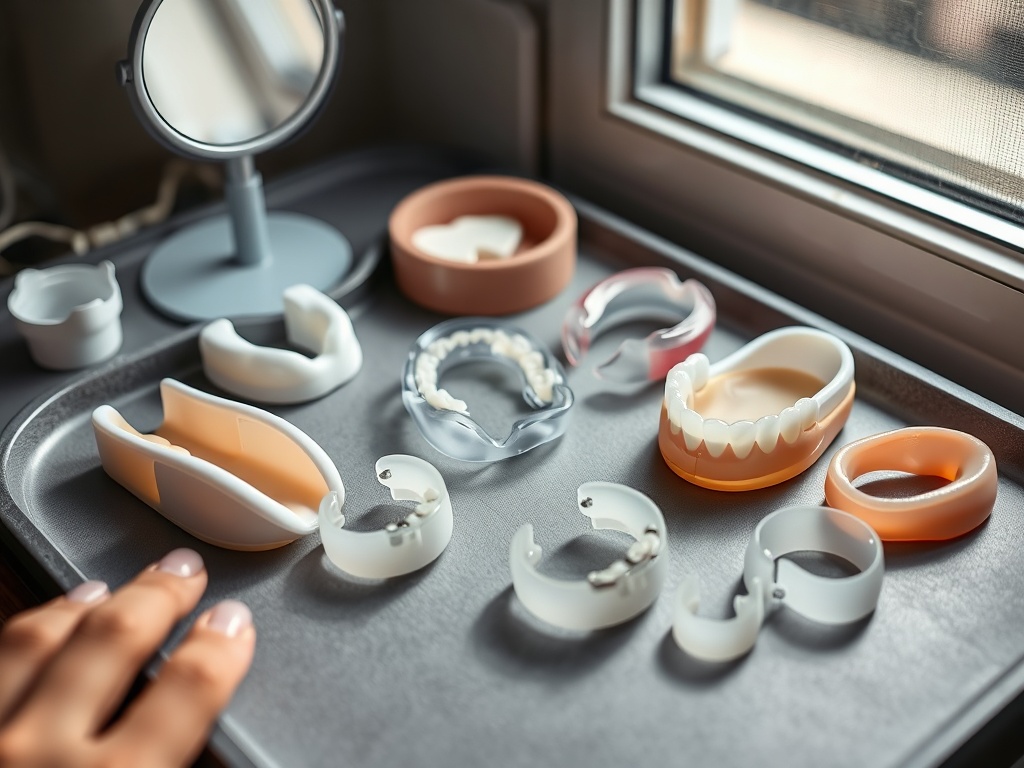
| Type of appliance | What it may help with | Where it can fall short |
|---|---|---|
| Over-the-counter soft guard | Short-term tooth cushioning and temporary protection while you arrange an exam | Can feel bulky, may not fit your bite well, and may not hold up to heavy clenching |
| Boil-and-bite guard | More customized than a stock tray, often used as a stopgap | Fit is still limited, and pressure can be uneven if the molding is poor |
| Custom hard stabilization splint | Commonly used to protect teeth, spread forces more evenly, and give the dentist a controlled bite surface | Needs professional adjustment and follow-up; not every jaw pain case improves just because it is custom |
| Anterior-only or specialty appliance | Sometimes used for specific short-term goals under close supervision | Not a generic self-prescribed tool and not meant for indefinite casual use |
| Mandibular advancement oral appliance | Used for selected sleep apnea or snoring cases to help the airway by changing jaw position | Not the same thing as a standard bruxism guard and should not be chosen casually for jaw pain alone |
What a guard can realistically do
The clearest benefit is protection. If you clench or grind, an appliance may reduce wear on enamel, crowns, fillings, and implant restorations by creating a sacrificial surface between the teeth. The NIDCR bruxism guidance says dentists may recommend a mouth guard to separate the teeth and prevent damage. That is a real, practical benefit even when the appliance does not “cure” the habit itself.
A guard may also reduce muscle strain for some people, especially when the bite feels more stable and the teeth are less likely to make direct contact. But that is where expectations should stay modest. The NIDCR TMD page notes there is not a lot of evidence that intraoral appliances improve temporomandibular pain, and it specifically warns against appliances designed to permanently change your bite.
Planning Notes for Clenching Grinding Jaw Pain
A poor fit can leave you chewing on the appliance instead of resting with it. Some people wake up more aware of the guard than of the original problem. Others notice that one side touches first, their bite feels off in the morning, or the device makes it hard to close comfortably. Those are not small details. They are signs the appliance may need adjustment or that the original diagnosis was too broad.
This matters even more if you already have dental work in the mix. Someone with repeated crown chipping or implant-area soreness may need both tooth protection and a wider maintenance plan. In those cases, it helps to read how often should people with crowns, implants, or bridges get checked? so the guard is seen as part of the plan rather than the entire answer.
Short-term relief versus definitive follow-up
A guard can be a reasonable short-term move if you already know you clench, your teeth are getting worn, and you are waiting on a dental appointment. It can also be part of a longer-term plan when a dentist confirms that tooth protection is the main goal.
It is not a substitute for evaluation when symptoms are more complicated. Morning headaches plus snoring, witnessed pauses in breathing, or major daytime sleepiness raise the possibility that a sleep-related issue is part of the picture. In that situation, the relevant appliance may be a sleep-apnea oral appliance, not a standard bruxism guard. Likewise, sudden jaw locking, swelling, or pain after trauma needs assessment rather than self-treatment.
How to choose more safely
- Use a temporary over-the-counter option only as a bridge to an exam, not as proof you have solved the issue.
- Ask what the guard is being designed to do: protect teeth, relax muscles, stabilize the bite, or address airway concerns.
- Tell your dentist if you already have chipped restorations, gum symptoms, or prior jaw-joint issues.
- Stop using any appliance that clearly increases pain or leaves your bite feeling changed after removal.
If your jaw symptoms happen alongside gum problems or tooth sensitivity, do not ignore those side issues. A person who keeps postponing a cracked filling or bleeding gums can end up managing several connected problems at once, which is why why delaying small dental problems usually costs more later is relevant here too.
Planning Notes for Clenching Grinding Jaw Pain During Planning
Book a routine dental visit if you are waking with jaw fatigue, noticing tooth wear, or breaking down old dental work without swelling or acute injury. These are common reasons to discuss a custom appliance and a broader bite evaluation.
Move faster if you cannot open or close comfortably, your jaw locks, pain is escalating sharply, a tooth or crown breaks, or you suspect sleep apnea because snoring and breathing pauses are part of the pattern. Those situations may need coordinated dental and medical follow-up rather than a retail device.
Planning Notes for Clenching Grinding Jaw Pain Before Treatment
The best night guard is not the “best” because it is hardest, softest, or most expensive. It is the one matched to the reason you are using it and checked after you start wearing it. As a neutral next step, book an exam if your current guard is causing new discomfort or if you have never been told what problem it is supposed to solve. Protection is useful. Precision is what keeps it from becoming guesswork.
And if your dentist is also looking at inflamed gums or bite-related treatment planning, it may help to compare those conversations with laser gum therapy vs traditional periodontal treatment, because jaw forces and gum health sometimes interact more than patients expect.
Cost Planning for Clenching Grinding Jaw Pain
For Clenching Grinding Jaw Pain, this part of Cost Planning for Clenching Grinding Jaw Pain focuses on an itemized estimate that separates diagnosis, temporary care, laboratory work, treatment, and follow-up while cost and timing are compared, with the same details verified before consent is finalized. The clinician should also explain insurance assumptions, payment timing, and later maintenance expenses for Clenching Grinding Jaw Pain while comfort and function are assessed, using the examination and health history rather than a general assumption.
Next Steps for Clenching Grinding Jaw Pain
For Clenching Grinding Jaw Pain, this part of Next Steps for Clenching Grinding Jaw Pain focuses on one clear action, a follow-up date, and reasons to contact the office sooner after the examination is explained, with the same details verified before consent is finalized. The clinician should also explain what can be decided now and what depends on further evidence for Clenching Grinding Jaw Pain while risks and alternatives are compared, using the examination and health history rather than a general assumption.
Mistakes to Avoid With Clenching Grinding Jaw Pain
For Clenching Grinding Jaw Pain, this part of Mistakes to Avoid With Clenching Grinding Jaw Pain focuses on harsh home remedies, repeated temporary fixes, and delays that hide progression when a second opinion is considered, with the same details verified before consent is finalized.