
Restorative Dentistry Timeline: What Can Be Done in One Visit vs Several
Some restorative dentistry can be completed in one visit, but plenty of treatment plans stretch across weeks or months for good reasons. The difference usually comes down to how much tooth structure is missing, whether infection or healing is involved, and whether a lab or digital manufacturing step stands between preparation and the final result.
Timeline At A Glance
- Direct repairs such as many fillings and some bonding can often be completed in one appointment.
- Lab-based work, bridges, implants, and root-canal-plus-crown sequences usually unfold over several visits, even when parts of the process can be accelerated.
- The best way to judge a timeline is to ask what steps require healing, lab work, bite checks, or staging to keep the tooth predictable.
What genuinely fits into one appointment
Single-visit care is most realistic when the tooth can be repaired directly in the chair. The Cleveland Clinic’s May 2024 dental fillings overview says direct fillings are created and placed in your mouth and only require one office visit. That category often includes routine composite fillings and some straightforward bonding repairs.
Some crowns and indirect restorations can also be done in one day, but only when the office has the right digital workflow and the case is a fit for it. The Cleveland Clinic’s dental crown guide explains that CAD/CAM systems can produce same-day crowns for selected patients, while also making clear that same-day crowns are not right for everyone.
What usually takes several visits, and why
Multi-visit care is common when the work needs a lab, a temporary phase, a healing window, or a staged handoff between procedures. The NHS root canal guidance updated in 2025 says root canal treatment usually takes two or more appointments, and that a crown may be needed afterward if the tooth was badly infected. That is a good example of why “one procedure” can actually be a sequence.
Implants are even more clearly staged. Implant treatment usually involves consultation, surgical placement, healing, and then the final restoration. Even when the initial surgery is efficient, the process is still multi-visit because the bone and soft tissue have to mature around the implant before the final tooth is attached.
| Treatment | Often one visit? | Why it may extend |
|---|---|---|
| Composite filling or small bonding repair | Often yes | Deep decay, hard-to-control moisture, or bite complications can lengthen the appointment |
| Inlay, onlay, or crown | Sometimes | Lab fabrication, temporary phase, or shade/fit adjustments may require another visit |
| Root canal followed by restoration | Sometimes partly | Cleaning the canals, reducing infection, and later protecting the tooth with a final restoration often creates a sequence |
| Bridge | Usually no | Preparation, impressions or scans, temporary bridge, and final cementation are commonly staged |
| Implant crown or implant bridge | Usually no | Surgery, healing, scans, and restoration delivery all happen in phases |
Even within the same category, two teeth can move on different clocks. A small filling on a dry, easy-to-reach tooth is not the same as rebuilding a cracked cusp below the gumline or restoring a tooth that has already had multiple repairs. Timeline conversations should reflect that level of detail.
The checklist patients should use before saying yes
- Ask which part of the plan is diagnostic, which part is temporary, and which part is the final restoration.
- Find out whether lab work is involved or whether the office can truly mill the final piece the same day.
- Clarify whether the tooth is being restored for appearance, function, protection after infection, or a mix of all three.
- Ask what could force the timeline to change once the dentist begins, such as deeper decay, cracks, or poor remaining tooth structure.
- Confirm how long you may be in a temporary phase and what you should avoid while you are in it.
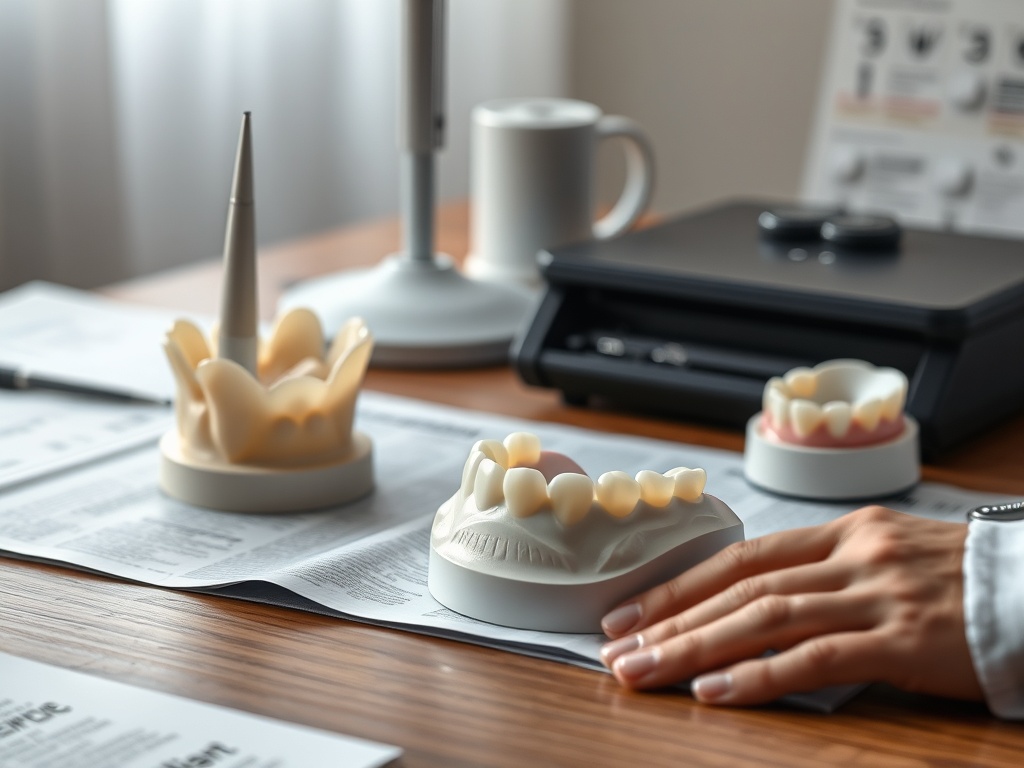
Durability, aesthetics, and cost are part of the timeline too
Patients sometimes focus only on speed, but the shorter timeline is not always the better decision. A same-day solution may be ideal when the tooth is structurally straightforward and the bite is stable. In a more demanding case, a lab-made restoration can give the dentist more room to refine fit, contacts, shade, and occlusion.
This is also why treatment planning overlaps with cosmetic planning. If the front teeth are involved, rushing the order of care can create problems with shade matching, gum symmetry, or the way the new work lines up with neighboring teeth. Before you commit to a fast cosmetic-restorative sequence, read the biggest smile makeover mistakes patients make so you know what a rushed plan often overlooks.
Red flags that a timeline is being oversimplified
Be cautious if you hear that everything can be done in one visit without a real exam, especially if infection, fracture, bite collapse, or missing teeth are involved. Another warning sign is a plan that never mentions a temporary restoration, a bite check, or follow-up after symptoms settle.
Ask for a written sequence if you feel rushed. That sequence should say what happens first, what is being protected, what may change once the tooth is cleaned up, and how your chewing will be managed between visits. If the discussion touches on complex diagnosis rather than simple repair, root resorption: what it means when a tooth starts breaking down from within is a helpful reminder that some teeth look straightforward until imaging reveals something more complicated.
Questions About Restorative Dentistry Timeline
One-visit thinking is most likely to backfire when patients assume speed proves efficiency. It can also fail when the real issue is not the restoration itself but the tissue around it. For example, an implant crown may look like a single final step, but cleaning access and long-term tissue stability still matter. If implants are part of your future plan, how to clean around a dental implant without damaging the tissue is worth understanding before the work is finished, not after.
Questions About Restorative Dentistry Timeline During Planning
Before leaving the discussion of Restorative Dentistry Timeline: What Can Be Done in One Visit vs Several, confirm the first step, expected follow-up, and warning signs that justify earlier contact after the examination is explained. A consultation about Restorative Dentistry Timeline: What Can Be Done in One Visit vs Several is more useful when you bring a brief timeline, current medicines, relevant health conditions, and details of earlier dental work.
The questions that keep a timeline honest
A strong restorative timeline answers three things clearly: what can be completed now, what needs to be staged, and what could change once the tooth or bite is fully assessed. As a neutral next step, ask your dentist to label each phase as “same-day,” “temporary,” or “final.” That simple framing makes it much easier to compare plans, weigh trade-offs, and avoid being surprised by a process that was never truly a one-visit fix in the first place.
Questions About Restorative Dentistry Timeline Before Treatment
For Restorative Dentistry Timeline, this part of Questions About Restorative Dentistry Timeline Before Treatment focuses on the symptom history, previous treatment, current medicines, and the result the patient values most before temporary care is replaced, with the same details verified before consent is finalized. The clinician should also explain which examination finding supports each recommendation and what information could change it for Restorative Dentistry Timeline as the treatment sequence is documented, using the examination and health history rather than a general assumption. Recording that explanation gives the patient a clearer next step for Restorative Dentistry Timeline before temporary care is replaced, especially when follow-up duties are reviewed before consent is finalized.
Home Care and Follow-Up for Restorative Dentistry Timeline: What Can Be Done in One Visit vs Several
Long-term success with Restorative Dentistry Timeline: What Can Be Done in One Visit vs Several is easier to protect when daily cleaning and maintenance instructions are written clearly when the diagnosis is confirmed. Home care related to Restorative Dentistry Timeline: What Can Be Done in One Visit vs Several should match the material involved, the condition of the tissues, and the stage of healing.